

Does It Make Sense to Install Solar Panels Now, or Wait for New 2026 Tech In Canada?
December 30, 2025
Victoria Roof Moss Removal Reviews: What Homeowners Love, Hate, and Wish They Knew
January 6, 2026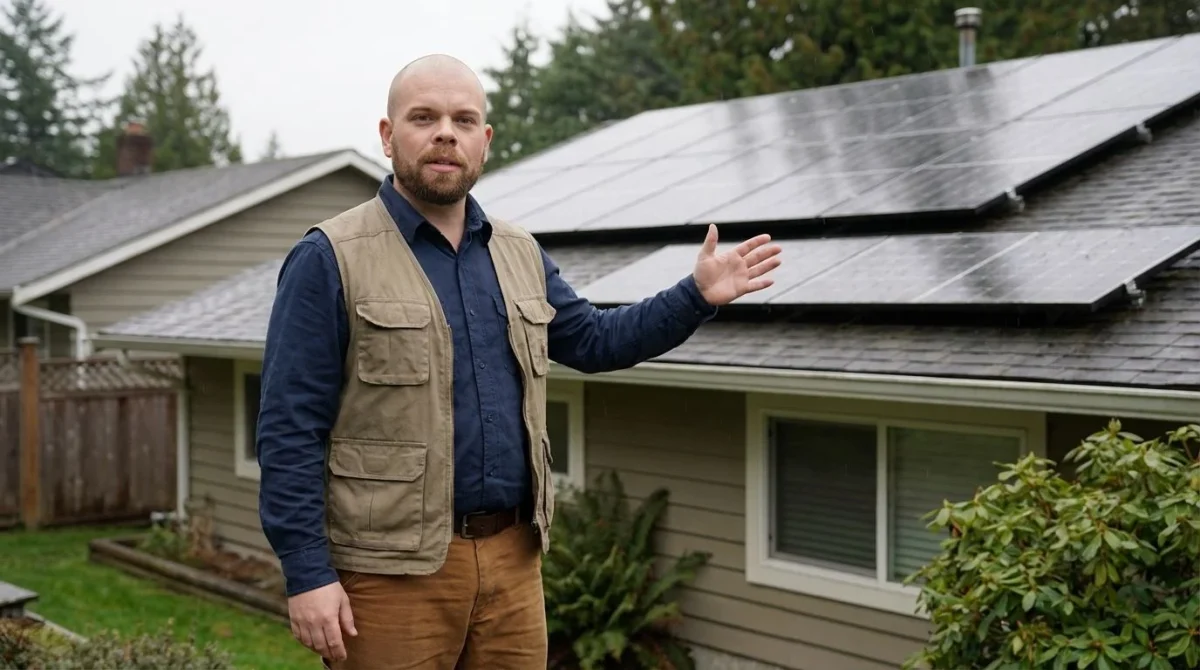
Have you ever looked up at your solar setup after a wet week and wondered why green fuzz keeps showing up in the one place you can’t easily reach?
You aren’t imagining things. A roof that stays damp, combined with a narrow gap under panels that traps debris and slows drying, makes moss more likely.
I’m Vitaliy Lano. I’ve spent over 12 years in solar consulting and inspections across Canada. I see this pattern constantly, especially in our coastal regions. Homeowners install arrays for the savings, but they often forget that the roof underneath still needs to breathe.
Here is the reality: Moss holds moisture against shingles and can speed up roof wear if you let it build up.
Key Takeaways
- Moisture + Shade = Moss: Solar panels create cool, shaded spots that trap moisture and debris. This creates ideal conditions for moss, especially in coastal climates like BC and Atlantic Canada.
- Debris is the Fuel: Leaves and pine needles trapped under the array hold water against the roof. Keeping this gap clear is the most important prevention step.
- Impact on Production: Moss buildup creates “hard shade” on the bottom of panels. For string inverter systems, this can disproportionately lower the output of the entire string.
- No Pressure Washing: Never pressure wash solar panels or asphalt shingles. It voids warranties and causes permanent damage. Use soft brushes or air.
- Cost of Inaction: Regular maintenance (cleaning and inspection) is significantly cheaper than early roof replacement caused by moss-induced rot and leaks.
- Safety First: Roof work is dangerous, especially when wet or mossy. If you cannot access the area safely, hire a professional with fall protection.
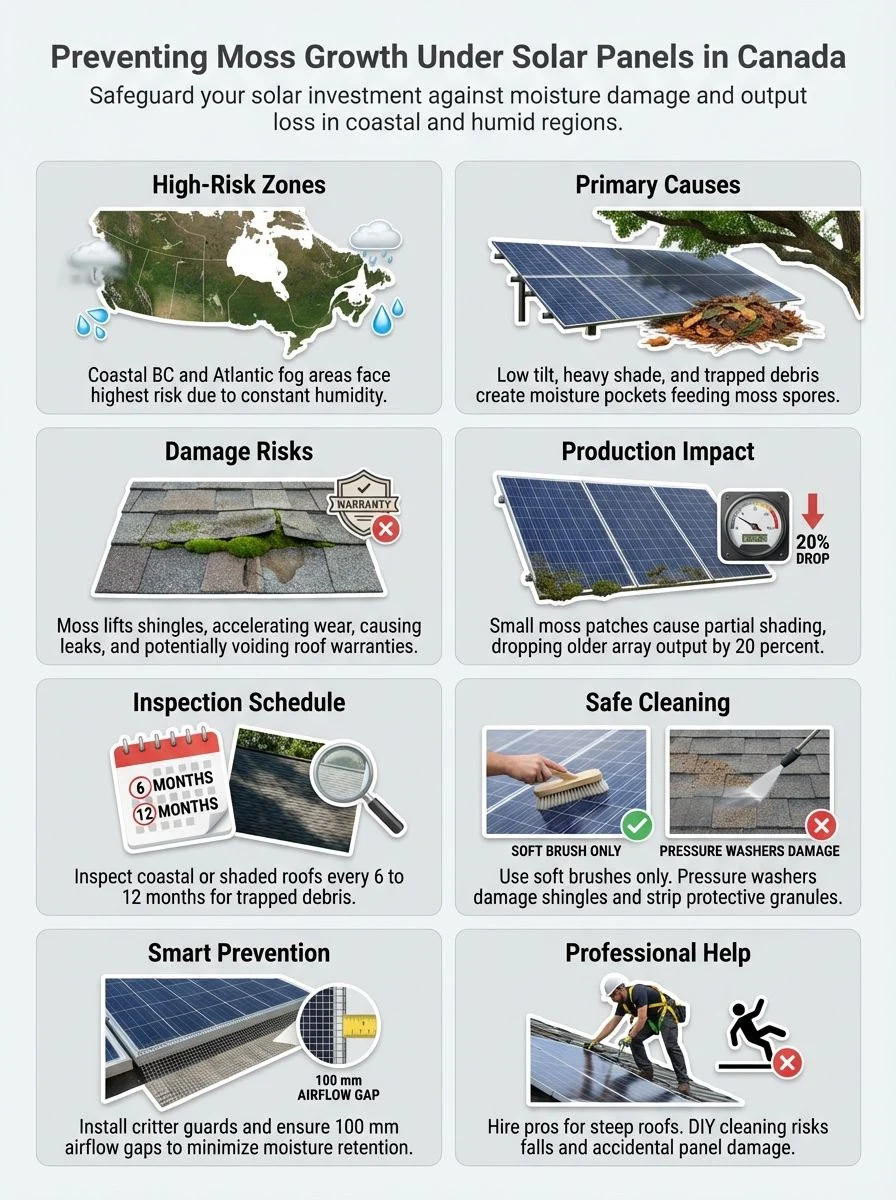
Below, I’ll explain exactly why moss targets solar arrays, how it impacts your production numbers, and the specific prevention steps that protect your warranty without risking your neck.
| Topic | Summary points |
|---|---|
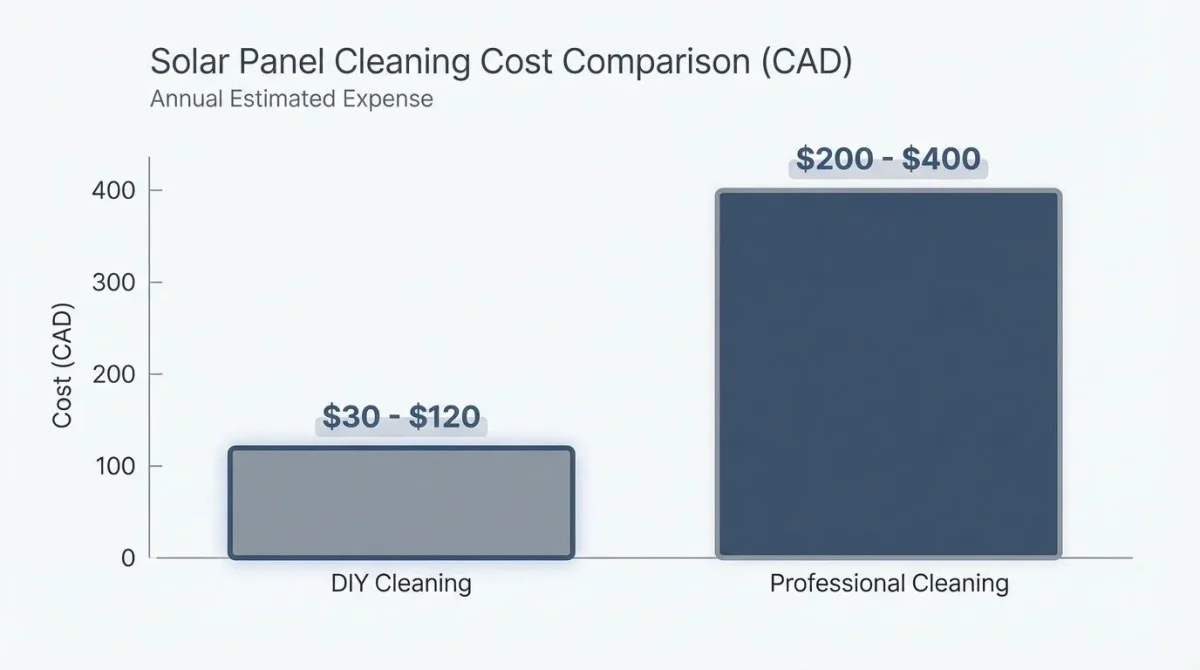
| DIY cleaning, cost | – Low direct cost for basic hand tools, often CAD 30 to CAD 120. – Pump sprayer and gentle roof-safe cleaner can add CAD 25 to CAD 80. – A leaf blower used carefully from safe access points can help with debris control. – Savings disappear fast if you need to buy safety gear you do not already own. |
| Professional cleaning, cost | – Common residential quotes in BC often land in the mid-hundreds per visit, with higher pricing on steep or complex roofs. – Some Victoria-area pricing pages in 2025 listed moss removal around $0.20 to $0.70 per square foot, and solar panel cleaning around CAD $150 to $350 as add-on services. – Coastal and tree-heavy properties tend to sit toward the higher end because growth returns faster. – Pros can work under tight panel clearances with the right tools and insurance. |
| Safety risks, DIY | – Wet surfaces plus moss mean slip risk climbs quickly. – Tight clearances under panels make footing and tool control harder. – Pressure washing and stiff scraping can damage shingles and seals. – If your work height is above 3 metres, plan for proper fall protection or do not do it. |
| Safety benefits, professional | – Trained crews use fall protection and roof-safe techniques. – They can spot early shingle wear, flashing issues, and drainage problems while they are up there. – Most established contractors carry liability insurance for accidental damage. – Thorough removal lowers leak risk and reduces repeat call-backs. |
| When DIY is reasonable | – Flat or low-pitch roofs where you can work safely from secure access points. – Light surface moss on open roof areas, not growth beneath panels. – You can keep tools gentle, and you avoid pressure washing entirely. – You can protect landscaping from runoff and overspray. |
| When hire a pro | – Moss under panels, thick mats, or any sign of lifted shingles or leaks. – Steeper roofs, multi-storey homes, or hard-to-reach valleys and dormers. – You want written documentation for warranty files. – You want the job done without damaging shingles, flashings, or panel wiring. |
| Deterrent add-ons (zinc or copper) | – Common 50-foot zinc strip products sold in Canada often sit around CAD $40 to $90 depending on brand and sales. – Some products describe rain-activated zinc runoff that inhibits moss and mildew growth on the roof surface. – Install location matters: a strip near the ridge works best where runoff carries it down the problem roof plane. |
Why is moss under solar panels such a headache in coastal Canada?
Moss is simple: it needs moisture and shade. Solar panels provide the shade, and our coastal climate provides the moisture.
On the coast, your roof stays damp far longer than you think. Even when it isn’t raining, high humidity prevents shingles from drying out completely. When you add a solar array, you create a cool, sheltered pocket of air between the modules and the shingles.
This gap slows down evaporation. It also traps wind-blown debris—pine needles, maple keys, twigs. This debris acts like mulch. It holds water against the asphalt granules, creating the perfect nursery for spores.
In coastal areas with long wet seasons, drying speed becomes the deciding factor for moss. When your roof gets wet constantly, anything that blocks airflow becomes a liability.
The “Maintenance Payback” Mindset
If you like thinking in financial terms, consider moss prevention as a defensive line item in your budget. It is cheaper to clean a gutter than to replace a roof deck rot caused by lifted shingles.
You are fighting three main factors:
- Shade plus moisture: North-facing roof planes or areas under nearby evergreens simply don’t get enough UV to kill spores naturally.
- Trapped debris: This is the fuel. Wet leaves sitting under a panel frame keep the humidity at 100% right at the shingle surface.
- Low airflow: If your installer mounted the panels too close to the roof deck, there isn’t enough breeze to dry things out after a morning fog.
Which Canadian regions see the most moss pressure?
You can measure moss pressure by asking one question: “How often does the roof stay wet?”
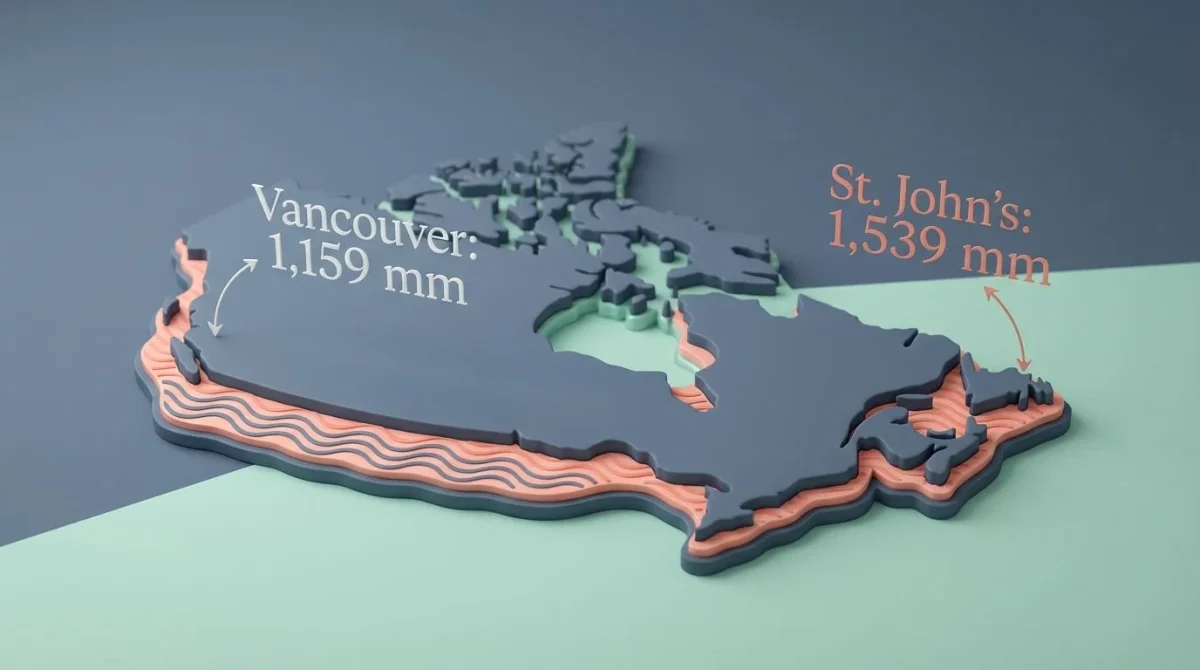
Coastal Canada wins this contest every time.
Coastal British Columbia and Vancouver Island Here, we deal with frequent rain and persistent humidity. It’s not just the storms; it’s the lack of drying days in the shoulder seasons. Areas like Metro Vancouver have neighbourhoods with mature tree canopies that shade roofs year-round. If you are on the North Shore or in a wooded area of Victoria, you know this battle well. For homeowners exploring options in this region, our guide to BC solar panels covers these specific climate challenges.
Atlantic Fog Zones Parts of Nova Scotia and Newfoundland face a different beast: fog. Salt spray and wind-driven rain pack moisture into every crevice, and the heavy fog banks keep roofs damp even on days with no rain.
The Regional Breakdown
| Region | The Specific Problem | The Practical Fix |
|---|---|---|
| Metro Vancouver / Lower Mainland | High rainfall + tall trees in established neighbourhoods. | Schedule inspections immediately after fall leaf drop. Keep gutters flowing so water doesn’t back up under the array. |
| Vancouver Island (West/South-West) | Long wet stretches + salt spray + wind-driven debris. | Prioritize debris control. See our Vancouver Island installation cost page for more on local system considerations. |
| Atlantic Canada (Fog Zones) | Fog keeps surfaces damp even without rain. | Stricter inspection schedule. Do not wait for thick green mats; treat early when you see the first fuzz. |
What makes a solar array “Moss-Friendly”?
Solar panels are fantastic technology, but physically, they alter the microclimate of your roof.
The biggest driver of moss growth is anything that slows down drainage.
Low Tilt Angles On a low-slope roof, water runs off slowly. Debris settles along the bottom edge of the panel frame because gravity isn’t pulling it away fast enough. This creates a dam that holds water.
Tight Clearance Some installers mount panels very close to the shingles to look “sleek.” This is a mistake in moss zones. A consistent gap that allows airflow and access for periodic checks helps the roof dry and makes maintenance easier.
Tree Shade Shade blocks UV radiation. UV is a natural sanitizer for roofs; it kills moss spores. When you put a panel over a shingle, you block that UV. If you also have a Douglas Fir shading the array, you are doubling the protection for the moss.
Dirty Drainage If your gutters are full, water backs up. This often keeps the bottom edge of the roof—the eave—permanently soaked. Moss often starts here and creeps upward under the first row of panels.
Does moss actually reduce solar production?
Yes, but maybe not how you think.
Moss usually creates a roof problem first, then a solar problem. But when it hits the solar side, it hits your efficiency.
The issue isn’t usually the moss growing on the glass (though that happens). The issue is the debris and moss clumps accumulating at the bottom edge of the module frame. This creates “hard shading” on the bottom row of solar cells.
The String Inverter Effect With standard string inverters, panels are wired in a series, like old Christmas lights. If one panel is blocked by a clump of wet moss and pine needles, it can drag down the performance of the entire string. A small amount of shading at the bottom of a panel can cause a disproportionate drop in power.
Optimizers and Microinverters These technologies help by isolating the problem to the single affected panel. However, they don’t solve the physical problem. If moss covers the bottom cells, that panel still underperforms.
There is research on efficiency loss from dirty panels that shows heavy contamination can significantly cut output. If you have monitoring software, don’t just blame the weather for a low-production week. Go outside and look at your array to ensure you’re getting the most out of the best solar panels available.
The Real Damage: What moss does to your roof
Moss is a moisture manager. Its job in nature is to store water. You do not want a water storage system on your asphalt shingles.
Accelerated Wear Asphalt shingles have granules that protect the asphalt from the sun. Moss holds moisture on the shingle surface and can contribute to granule loss and lifted edges over time.
Lifted Shingles Moss grows under the edges of shingles. As it thickens, it physically lifts the shingle up. This breaks the seal that keeps wind-driven rain out. Once that seal is broken, you have a leak waiting to happen.
Rotting Underlayment By keeping the roof deck damp, moss increases the risk of rot in the plywood sheathing and underlayment. This is hidden damage you won’t see until you have a leak in your attic.
Warranty Headaches Roof warranties are strict. Warranty disputes often turn into a ‘maintenance’ argument, so document cleanings and methods with photos.
The Asphalt Roofing Manufacturers Association warns against pressure washing because it dislodges granules. One aggressive clean can strip years off your roof’s life.
Use the table as a planning tool, then swap in real quotes from your roofer and solar installer.
| Option | Typical Canadian Cost (CAD) | Service Frequency / Life | 10-Year Total Cost | Notes and Payback Logic |
|---|---|---|---|---|
| Annual professional cleaning, low moss | $200 – $400 per year | Yearly | $2,000 – $4,000 | Works when moss growth is light and access is straightforward. Costs climb with roof pitch and panel layout. |
| Twice-yearly cleaning, heavy moss zones | $400 – $1,200 per year | Every 6 months | $4,000 – $12,000 | Common where moss loves deep shade and wet seasons. The goal is to prevent thick mats and reduce leak risk under panels. |
| GoNano roof treatment, application | $800 – $1,800 per application (typical residential) | Often re-applied on a multi-year cycle | $1,600 – $3,600 (two applications in 10 years) | Can make moss slower to return by reducing moisture retention. Best paired with debris control and roof-safe cleaning when needed. |
| Roof rejuvenation plus GoNano | $1,500 – $4,000 | Rejuvenation lasts multiple years; align with recoat cycle | $1,500 – $4,000 (one cycle) or $3,000 – $8,000 (two cycles) | Best for homeowners trying to stretch shingle life and reduce repeat moss removal under the array. |
| Full roof replacement (asphalt shingles) | $8,000 – $18,000 typical | 20 – 25 years | $8,000 – $18,000 | Highest upfront cost. If you ignore moss and it drives leaks or early wear, you often pay this sooner than planned. |
| Example payback comparison, heavy moss zone | – Twice-yearly cleaning at $500 per visit: 10-year cost $10,000. – GoNano at $1,200, reapply year 6: 10-year cost $2,400. – Potential difference: $7,600 over 10 years. – If the treatment delays a roof replacement, the value increases again. | |||
| Variables to check before choosing | – Local moss pressure (shade, fog, rainfall patterns). – Roof size and steepness. – Panel layout and under-panel access. – Local cleaning rates and what they include (gutters, downspouts, treatment). – Warranty terms that affect cleaning methods. | |||
Maintenance Schedule: When to look
Don’t wait for a green carpet. If you can see moss from the driveway, it has already been there for months. The longer you wait to address it, the more difficult and expensive the removal process will become. By taking action now, you can stop roof moss removal costs from escalating and protect your home from potential damage. Regular maintenance can save you money and preserve your roof’s integrity for years to come.
I recommend a simple cadence for Canadian homeowners:
1. The Annual “Big Picture” Inspection Do this in late spring. Check the overall condition of the array and the roof. Look for lifted shingles, loose wires, and moss starting to form on the north side of the array.
2. The Post-Fall Check After the leaves drop in November, check for debris dams. If you leave a pile of wet leaves under your panels all winter, you are guaranteeing moss growth by spring.
Regional Adjustments:
- BC Coast: Inspect yearly + mid-season check after leaf drop.
- Atlantic: Inspect yearly + check during damp shoulder seasons.
- Heavily Shaded Roofs: Check every 3 to 6 months.
Safety First Roof work is dangerous. Wet moss is like ice. If you cannot access the roof safely from a stable ladder, or if the pitch is steep, do not go up there. Hiring a pro is cheaper than an ER visit.
Prevention Options: What works and what costs
The best plan is the one you actually stick to.
Most effective strategies combine debris control, gentle cleaning, and physical deterrents.
1. Manual Cleaning (DIY vs Pro)
For solar panel cleaning in Vancouver or other coastal cities, the approach matters.
DIY Cleaning
- Cost: Low (Cost of a brush and ladder).
- Best for: Light surface moss, reachable areas, single-story homes.
- Method: Use a soft-bristle brush or a leaf blower. Never use a pressure washer.
- Risk: High slip hazard.
Professional Cleaning
- Cost: typically mid-hundreds per visit, depending on roof complexity.
- Best for: Moss under panels, steep roofs, second-story arrays.
- Benefit: Pros have fall protection and insurance. They can clean the underside of the array without damaging wiring.
2. Deterrent Strips (Zinc or Copper)
Installing a zinc or copper strip near the ridge of the roof is a passive way to fight moss. As rain hits the metal, it releases ions that wash down the roof. These ions inhibit moss growth.
- Effectiveness: Good for open roof planes. Less effective under solar panels because the rain might not wash the ions into the shadowed gap effectively.
- Cost: Generally inexpensive compared to manual cleaning labor.
- Installation: Best done by a roofer to ensuring it doesn’t interfere with the solar mounting system.
3. Chemical Treatments
Chemicals can kill moss, but you must be careful with solar components.
- Rule 1: Use roof-labeled products. Bleach is corrosive and risky around metal components and solar panels; your research recommends keeping harsh chemicals away from the array.
- Rule 2: Control runoff. You don’t want chemicals dripping onto your prize rhododendrons.
- Rule 3: Keep it off the panels. Some chemicals can leave a residue on the glass or damage the anti-reflective coating.
Check this guide to moss and pollen for more local context on managing buildup in wet climates.
Install and Design Tweaks
If you haven’t installed solar yet, or are planning an upgrade, design the system to resist moss.
- Airflow Gaps: Insist on a mounting system that leaves at least 4-6 inches between the panel and the roof.
- Critter Guards: Mesh screens around the array keep squirrels out, but they also stop leaves from blowing under the panels. This can prevent the debris dams that feed moss.
- Tree Trimming: The most effective moss prevention is sunlight. Trim back branches to increase sun exposure on the roof.
Roof Rejuvenation and GoNano
If you are dealing with an older roof or aggressive moss, simple cleaning might not be enough. You might look into roof rejuvenation options.
Treatments like GoNano aim to modify the asphalt shingles to make them hydrophobic (water-repelling). If the shingle sheds water faster, moss spores have a harder time latching on.
The Math on Prevention vs Replacement
You need to weigh the cost of maintenance against the cost of early replacement.
Note: Prices vary wildly by roof steepness and region. Always get local quotes.
Pre-Installation Agreement
The best time to solve moss is before the panels go up.
If you are signing a contract for solar, add an addendum about the roof condition.
- Inspect the roof age: If your roof is 15 years old, replace it before installing solar. Taking panels off to replace a roof 5 years later is expensive double-work.
- Existing Moss: The roof must be 100% moss-free before installation. Do not install over moss. It will die, rot, and cause issues, or it will thrive and lift the panels.
- Access Plan: Agree on how you (or a cleaner) will access the space under the panels later.
Quick FAQ
1. Can moss void my solar warranty? It can. If moss and debris lead to moisture problems or damage around the array, warranty conversations can get messy — document maintenance and keep the area clean.
2. Can I pressure wash moss under solar panels? No. Never. High pressure forces water into electrical connections and strips granules off shingles. You can learn how to clean moss off roof and solar panels safely using gentle methods.
3. What about winter? After winter, do a spring check for debris dams, clogged gutters, and damp shaded zones under the array.
4. Do I need special chemicals? You need roof-safe chemicals. Avoid heavy degreasers or anything not rated for asphalt. If in doubt, ask your installer.
5. When should I call a pro? If the moss is under the array, call a pro. You risk damaging the panels or the mounting hardware if you try to scrape under there with a pole.
Final Takeaways
If you want fewer surprises, treat moss like a predictable maintenance item, not an emergency.
- Inspect early: Check your array every spring and late fall.
- Keep it dry: Trim trees and clear gutters to maximize airflow.
- Clean gently: Avoid pressure washers. Use brushes and air.
- Protect the gap: Keep the space under the panels clear of debris to starve moss of moisture.
A solar array should be a 25-year investment. Don’t let a layer of green fuzz cut that short.
Last Updated on January 4, 2026 by Vitaliy