
Why Canada’s Natural Gas Electricity Strategy Could Keep Hydro Bills High
May 14, 2026
BC Hydro’s $1B Power Smart 2.0 Plan: Good News for Solar, or a Reason to Wait?
May 21, 2026Last Updated on May 15, 2026 by Vitaliy
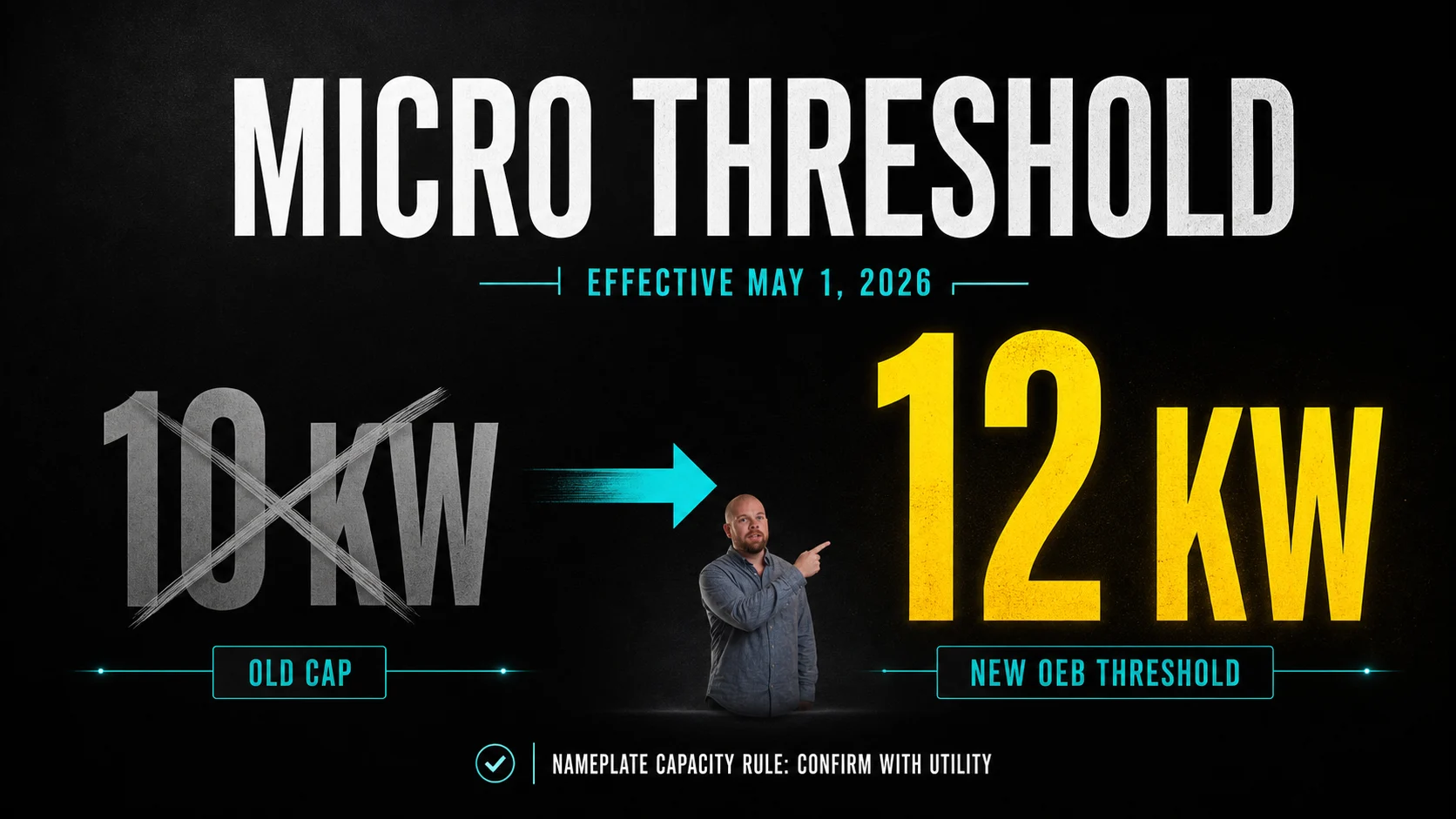
If you were planning an Ontario solar system around the old 10 kW micro-generation threshold, it is time to rerun the numbers. As of May 1, 2026, Ontario’s micro-embedded generation threshold is now 12 kW, giving many homeowners more room to size solar around real modern electricity use: EV charging, heat pumps, home offices, larger families, and future electrification.
The risk of using old 10 kW assumptions is simple: you can spend serious money on a system that looks safe on paper but is too small for the house you are actually building toward.
Key Takeaways
- Ontario’s micro-embedded generation threshold is now 12 kW, according to the OEB final Distribution System Code amendments.
- This is best understood as a connection-process threshold change, not as a solar-only rule.
- The OEB connection rules classify micro projects as 12 kW or less, which can help more home solar projects stay in the simpler micro-embedded connection process.
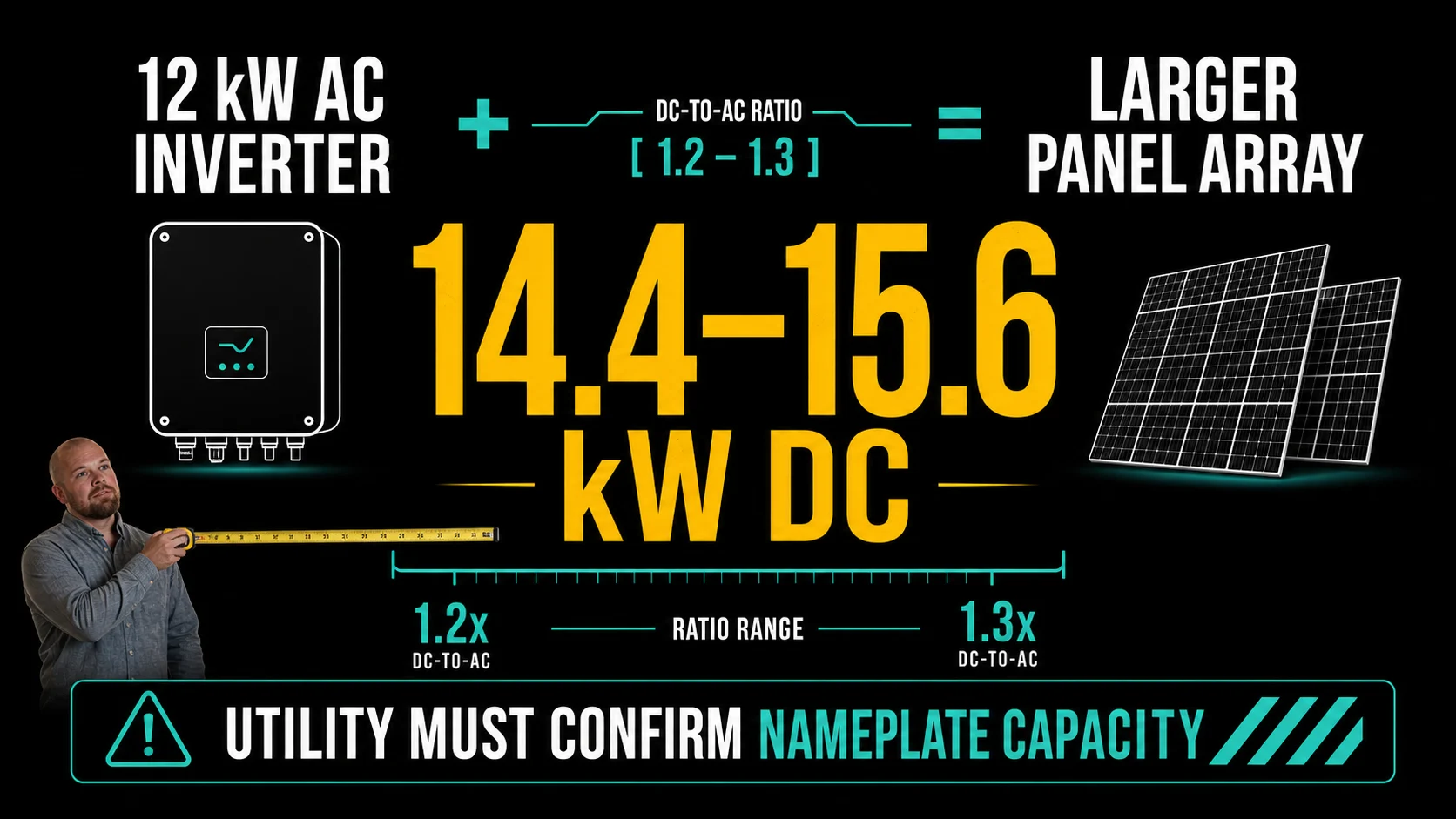
- A 12 kW inverter can sometimes be paired with a larger DC panel array, often around 14.4 to 15.6 kW DC using a 1.2 to 1.3 DC-to-AC ratio, but the utility still decides how the 12 kW nameplate threshold applies to your connection application.
- Net metering can offset a lot of electricity use, but it does not erase every charge on the electricity bill.
- If you have two EVs, a heat pump, or a planned renovation, the old 10 kW design target may now be too small.
What Ontario Actually Changed
The formal change is inside the Ontario Energy Board’s Distribution System Code and distributed energy resource connection rules. The clean amendment text now defines a micro-embedded generation facility as an embedded generation facility with a name-plate rated capacity of 12 kW or less.
The change is important because the old 10 kW threshold pushed many residential solar designs into an awkward choice. Either keep the system smaller than the home really needed, derate equipment to stay under the limit, or move into a more involved connection process.
The OEB’s explanation says the 12 kW increase supports customer choice, keeps the simple micro-embedded connection process, removes the need for some customers to derate facilities, and better reflects residential distributed energy technologies in the 10 to 12 kW range.
Ontario did not create rooftop solar overnight. It made the simple connection category slightly larger.
Why the Old 10 kW Threshold Created Problems
A 10 kW solar system can still be a good fit for many homes. The problem is that modern Ontario homes are using electricity differently.
A house with gas heat, one gasoline vehicle, and average appliance loads is one thing. A house with two EVs, a cold-climate heat pump, electric water heating, a basement suite, or a large addition is another.
If you are already comparing project numbers, start with the broader Solar Panels Ontario Installation Cost Guide 2026. It gives you the local cost and planning context before you decide whether a 10 kW, 12 kW, or larger design makes sense.
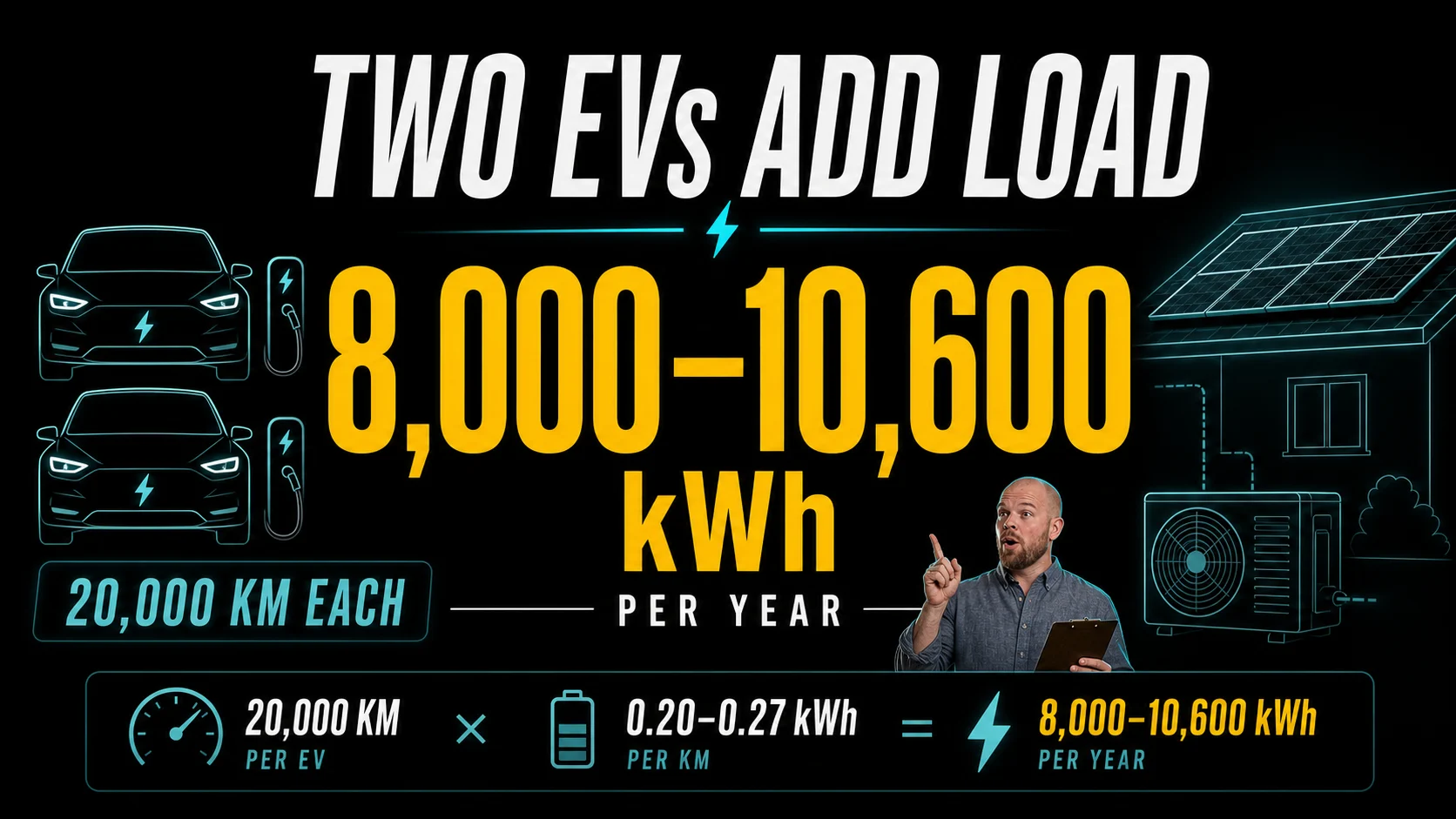
Natural Resources Canada says battery-electric vehicles cost about 3 to 4 cents per kilometre at 15 cents per kWh in its electric vehicle buying guidance. That works out to roughly 0.20 to 0.27 kWh per kilometre.
If one EV drives 20,000 km per year, it may use roughly 4,000 to 5,300 kWh annually. Two EVs can push that to roughly 8,000 to 10,600 kWh before you even count the house.
Now add a heat pump. Heat pumps can reduce heating energy compared with many traditional systems, but they still add electrical load to the home, especially during heating season.
That is why the 12 kW threshold is worth a fresh quote review. It gives homeowners a better chance of sizing solar for the next 10 to 25 years, not just last year’s electricity bill.
The 12 kW AC to 15 kW DC Solar Math
Solar has two size numbers that homeowners often mix up.
The inverter output is usually discussed in AC. The solar panel array is usually discussed in DC. A system can have more DC panel capacity than AC inverter capacity because panels rarely produce their full lab-rated output all day in real outdoor conditions.
The NREL residential PV cost assumptions use DC-to-AC ratios that help explain why a 12 kW inverter may support a larger DC solar array. In plain English, the panel side can be larger than the inverter side if the system is designed properly.
| Inverter Size | DC-to-AC Ratio | Approximate Panel Capacity |
|---|---|---|
| 10 kW AC | 1.2 | 12.0 kW DC |
| 10 kW AC | 1.3 | 13.0 kW DC |
| 12 kW AC | 1.2 | 14.4 kW DC |
| 12 kW AC | 1.3 | 15.6 kW DC |
A 12 kW AC inverter may sometimes be paired with a larger DC panel array, such as roughly 14.4 to 15.6 kW DC, using a 1.2 to 1.3 DC-to-AC ratio. But don’t assume this automatically qualifies as micro-embedded. Confirm how your local utility applies the 12 kW nameplate capacity rule before signing a quote.
That extra 2 to 3 kW DC of panels is not a small detail. It can be the difference between a system that covers the old household load and one that actually supports EV charging, heat pump use, and future electricity needs.
Tip for Ontario homeowners: do not size your system from the inverter number alone. Ask your installer for annual kWh production, DC panel size, AC inverter size, clipping assumptions, roof layout, utility application assumptions, and net metering assumptions.
How Much EV Charging and Heat Pump Use Can 12 kW Offset?
A larger solar system can offset a lot of the electricity used for EV charging and heat-pump operation in the right home. It should not be sold as a guaranteed zero-bill promise.
Here is the cleaner way to think about it.
If two EVs use about 8,000 to 10,600 kWh per year, a larger solar array can cover a major part of that annual charging load. If your heat pump adds several thousand kWh per year, the 12 kW threshold may be the difference between a system that only covers the old household load and one that is designed for the electrified version of your home.
But Ontario net metering credits have limits. The OEB explains that net metering credits offset electricity consumption charges, not every bill charge, and credits can only carry forward for up to 12 months.
So the right goal is not “my bill will disappear.” The better goal is: “my solar system is sized to offset as much annual kWh use as possible without creating waste, bad economics, or connection problems.”
If you want the bill-side context, read this Ontario solar electricity-bill article before you assume a larger array will wipe out every line item.
Why Ontario Electricity Pricing Changes the Math
Ontario customers can choose Time-of-Use, Ultra-Low Overnight, or Tiered pricing. Current OEB Regulated Price Plan rates are posted on the OEB electricity rates page, and the Ontario Energy Board says it normally sets these rates once a year on November 1.
That pricing makes system design more detailed.
EV owners may charge overnight at low rates. Solar produces during daylight hours. Heat pumps use electricity across heating and cooling seasons. A good solar design should model annual consumption, not just one sunny summer month.
If you want a fast first check, use the SolarEnergies.ca solar panel calculator to see whether your property is likely a good fit before collecting quotes.
What Homeowners Should Do Now
First, pull your last 12 months of electricity use. If you are adding EVs, a heat pump, a hot tub, a workshop, or a home addition, estimate future usage too.
Second, ask for both a 10 kW-style design and a 12 kW-threshold design. The comparison will show whether the extra capacity actually improves your payback or just adds panels your home cannot use well.
Third, confirm your local utility’s connection requirements. The OEB’s Distributed Energy Resources Connection Procedures show why the micro category is important, but your local utility still has to review the project and confirm the technical details.
Before choosing an installer, compare a few detailed quotes. Look at system size, equipment, warranty, production estimate, financing, roof work, monitoring, and how each installer handles the utility application. This guide to comparing solar quotes in Canada is worth reading before you sign anything.
SolarEnergies.ca can help you compare options from certified installers, but you should still review every quote in writing. If financing is part of the decision, ask each installer to show the rate, term, approval conditions, dealer fees, early-payment rules, and total cost. Some offers may advertise 0% financing with $0 down payment, but eligibility and final terms depend on approval and program details.
Federal support has also shifted. NRCan now says Canada Greener Homes Loan funding is fully committed and applications are closed, so do not assume old solar grants or loans are open for new applications. You can also review the Canada Greener Homes Program 2026 update before building incentives into your payback math.
Bottom Line
Ontario’s 12 kW micro-embedded generation threshold is a practical win for homeowners who were being squeezed by the old 10 kW threshold.
The biggest benefit is not a slogan. It is better sizing.
If your home is moving toward two EVs, electric heating, or higher annual electricity use, the new threshold gives you more room to build the system you actually need. Just keep the math honest: model annual kWh, check roof production, confirm utility approval, and compare quotes before signing.
FAQ
Did Ontario increase the micro-embedded generation threshold to 12 kW?
Yes. As of May 1, 2026, the OEB’s Distribution System Code defines a micro-embedded generation facility as an embedded generation facility with a name-plate rated capacity of 12 kW or less. For home solar, that can help more projects stay in the simpler micro-embedded connection process.
Does the new 12 kW threshold mean I can install more than 15 kW of solar panels?
Possibly, but do not assume it without utility confirmation. A 12 kW AC inverter may sometimes be paired with roughly 14.4 to 15.6 kW DC of panels using a 1.2 to 1.3 DC-to-AC ratio. Your actual design still depends on equipment, roof space, shading, utility rules, and how your local utility applies the 12 kW nameplate capacity rule.
Was solar above 10 kW illegal before?
Not exactly. The stronger way to say it is that going above 10 kW often pushed a project out of the simpler micro-embedded process. The new 12 kW threshold helps more homeowners stay in that easier connection category.
Will a 12 kW solar system make my Ontario electricity bill zero?
Not usually in the literal sense. Net metering credits can offset kWh consumption charges, but they cannot be applied to every charge on the bill. Unused credits also expire after 12 months.
Is 12 kW enough for two EVs?
It can be, depending on the home. Two EVs driven 20,000 km each may use roughly 8,000 to 10,600 kWh per year. A properly designed solar array around the new threshold can offset a large share of that annual charging load, but your home’s total usage drives the result.
Should I resize my solar quote if it was based on the old 10 kW threshold?
Yes. If your quote was capped at 10 kW mainly because of the old threshold, ask for an updated 12 kW design and compare the annual production, cost, payback, and utility-connection assumptions.