

BC Microgrid Investment: What Ottawa’s $4.5M Energy Push Means for Solar in B.C.
May 12, 2026
Ontario’s 12 kW Micro-Embedded Generation Threshold Is Live: What It Means for Home Solar
May 15, 2026Last Updated on May 14, 2026 by Vitaliy
Canada’s new electricity strategy sounds like good news at first: a bigger grid, more clean power, and lower total energy costs for many households. The Prime Minister’s Office says the strategy could deliver up to $15 billion in total energy savings by 2050 and lower total energy costs for 7 in 10 Canadian households. But if you own a home and pay a monthly hydro bill, the important detail is this: the federal plan also keeps natural gas in the electricity system for reliability. That matters because flexible gas generation can influence market prices during high-demand hours, especially when it is the marginal resource. If gas remains part of the marginal supply mix, some electricity customers can stay exposed to gas-price pressure, depending on provincial market rules and rate design. Waiting too long to understand that link can leave you comparing solar quotes only after rates, delivery charges, and equipment demand have already moved higher.Key Takeaways
- Prime Minister Mark Carney announced on May 14, 2026 that Canada will consult on a National Electricity Strategy to double grid capacity by 2050.
- The federal release says those savings require “a wide range of energy – including natural gas,” and that clean electricity regulations will be adjusted for flexibility.
- Natural gas can be a small share of total power generation but still influence prices in key hours because it is flexible and dispatchable. The exact share varies by market and year.
- Canada’s gas market is also changing as LNG exports grow, which could make Canadian gas production more connected to global demand.
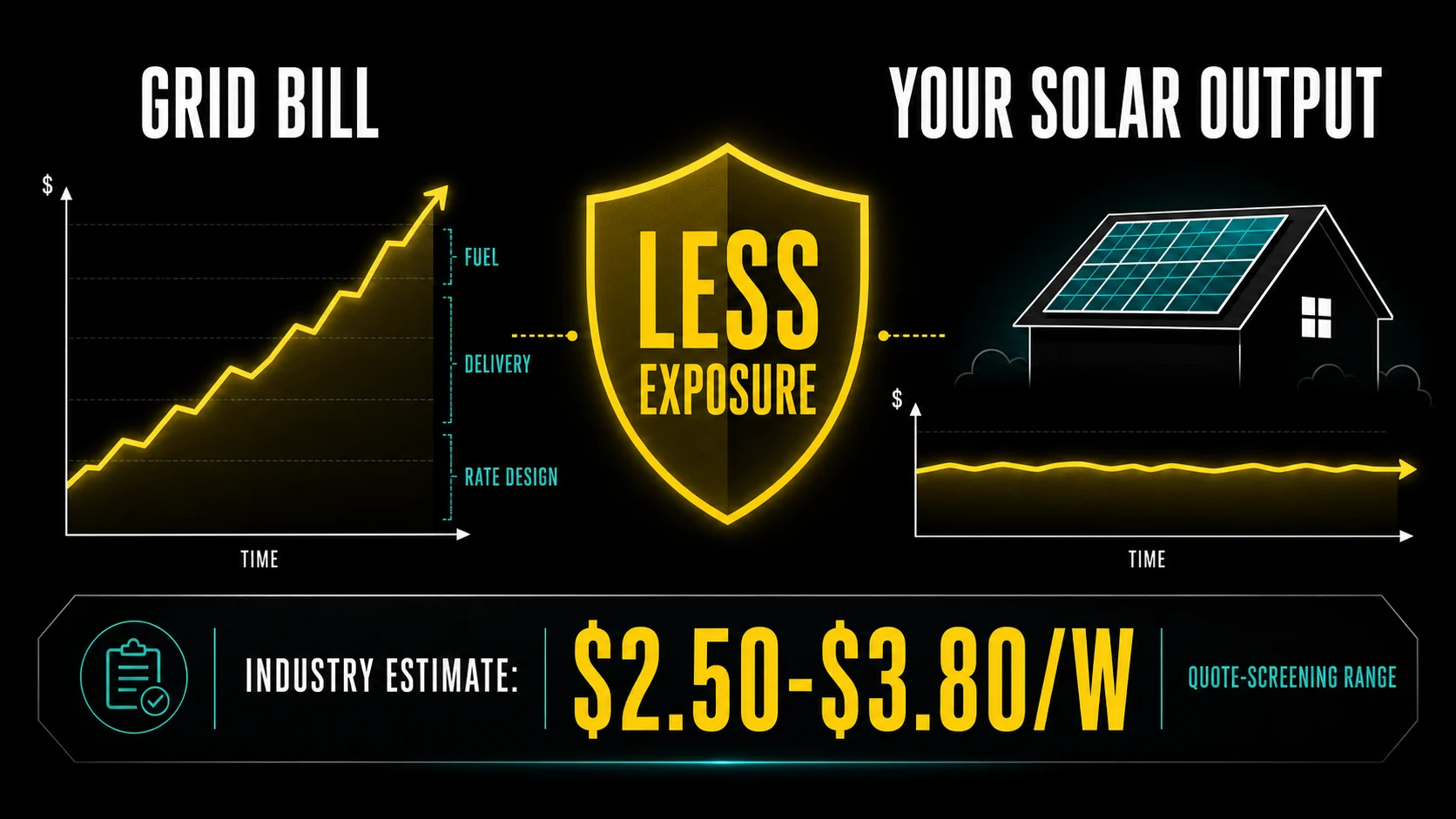
- Home solar is not just about being green. It can reduce exposure to future electricity-rate increases for the portion of power your system produces.
What Canada Announced On May 14, 2026
The Prime Minister’s Office says Canada expects electricity demand to double by 2050 and wants to double the capacity of the grid to meet it. The plan is built around more generation, more transmission, skilled labour, and Canadian manufacturing. It also says Canada already has an electricity grid that is about 80% non-emitting and among the lowest-cost systems in the G7, according to the Prime Minister’s National Electricity Strategy announcement. That is the positive side. Canada needs more power for electric vehicles, heat pumps, industry, artificial intelligence, and normal population growth. A weak grid would make everything more expensive. The part homeowners should watch is the role of gas. The same federal release says Canada intends to adjust the clean electricity regulations so the system has enough flexibility to stay reliable and affordable. The current Clean Electricity Regulations were registered in December 2024 and apply to fossil fuel electricity units of at least 25 MW. Any loosening or delay in practice could matter for long-term electricity pricing. This does not mean your hydro bill doubles tomorrow. It means the future grid is being designed with gas still doing important work.Why Natural Gas Affects The Price Of Electricity
Electricity markets need enough supply every hour of the day. Wind and solar are cheap to run because they have no fuel cost, but they cannot be turned up whenever the grid needs more power. Nuclear and large hydro are reliable, but they are not always the fastest tools for short demand spikes. Gas plants fill that gap. They can ramp up quickly when demand jumps, when wind drops, or when solar production falls in the evening. That flexibility is valuable. It is also why gas can influence the price paid across the system. In wholesale electricity markets, flexible gas generation can influence market prices during high-demand hours, especially when it is the marginal resource. The exact share varies by market and year. A non-government 2022 analysis from 360 Energy said Ontario gas generators were the last units brought on for 64% of all hours while providing 9% of overall supply, and that gas set the marginal price in PJM for about 70% of hours while providing about 40% of generation, according to 360 Energy’s natural gas and electricity price analysis. That is the quiet problem. A province can have a mostly clean grid and still have electricity prices that react to gas costs during key hours. Electricity pricing rules vary by province, so the gas-price link is stronger in some markets than others.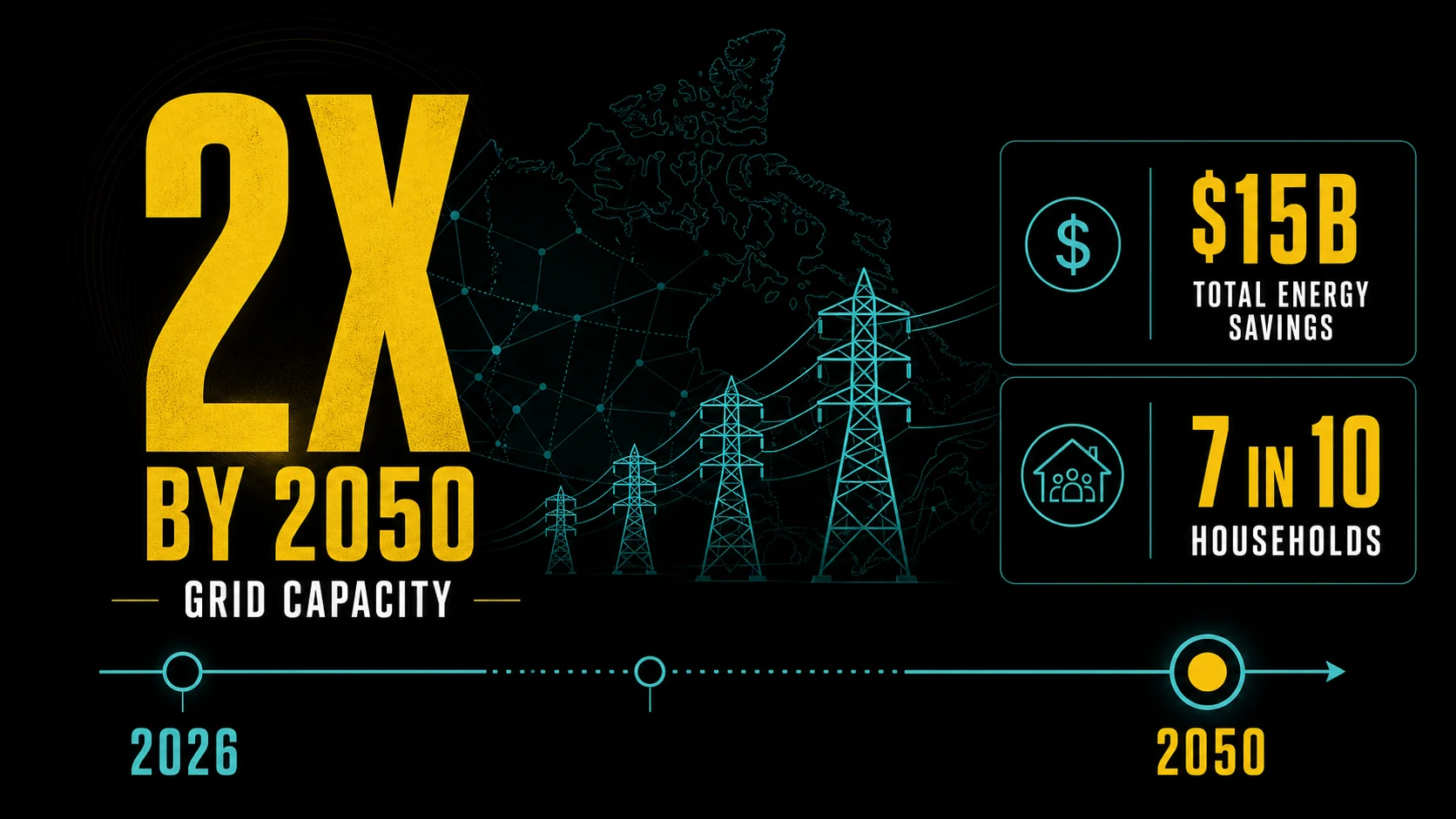
Reliability Is Real, But So Is Rate Exposure
I don’t think homeowners should pretend natural gas has no purpose. The grid has to work on cold nights, hot afternoons, and cloudy low-wind days. Reliability is not optional. Ontario’s grid operator studied what would happen if gas-fired generation were completely phased out by 2030. The IESO said that full phase-out by that date would lead to blackouts and would require system changes that could increase residential electricity bills by 60%, according to the IESO Natural Gas Phase-Out Study. So yes, gas is useful. But useful does not mean cheap forever. If gas remains part of the marginal supply mix, some households can keep exposure to fuel costs, carbon policy, capacity costs, transmission spending, and the price of new infrastructure, depending on provincial market rules and rate design. Tip for homeowners: don’t judge solar only against today’s energy charge. Look at your full bill, including delivery, riders, time-of-use pricing, and likely future rate changes.Canada’s Gas Market Is Becoming More Global
Another reason to pay attention is that Canadian natural gas is no longer just a local fuel sold into a local market. The Canada Energy Regulator’s 2026 outlook says natural gas production reaches between 21 and 32 billion cubic feet per day by 2050, compared with about 19 Bcf/d in 2025. It also says future LNG export capacity matters a lot, and that by 2050 about a quarter of total Canadian gas production is tied to LNG exports, according to the Canada Energy Regulator’s 2026 energy outlook release. That does not automatically mean every Canadian household pays global LNG prices on their hydro bill. More LNG export capacity could make Canadian gas production more connected to global demand. That does not guarantee higher domestic electricity prices, but it makes the fuel-price link worth watching. For electricity customers, the risk is simple: if gas affects the marginal price more often, and gas prices become more exposed to global demand, hydro bills become harder to predict in the markets where gas has a stronger price-setting role.What This Means For Residential Solar
Solar changes the math because it can move part of your electricity supply from a monthly variable cost to an asset on your roof. A solar array has a high upfront cost, but once installed, sunlight does not send you a fuel bill. The financial question is whether the long-term value of avoided electricity purchases, net metering credits where available, and reduced exposure to future rate increases is worth the investment. In 2026, Canadian residential solar cost estimates vary by province, roof, equipment, and installer. As a practical quote-screening range, many grid-tied residential projects can land around $2.50 to $3.80 per watt before incentives, with many home systems falling in the 5 kW to 10 kW range. Treat that as a starting point for comparing installer quotes, not a government benchmark or a guarantee. That is a wide range for a reason. A simple south-facing roof with a clean electrical panel is not the same project as a shaded roof with multiple planes, a panel upgrade, premium microinverters, and battery storage. If you want a quick first check, use the SolarEnergies.ca solar panels calculator to estimate system size, roof fit, production, and long-term savings before you start collecting quotes.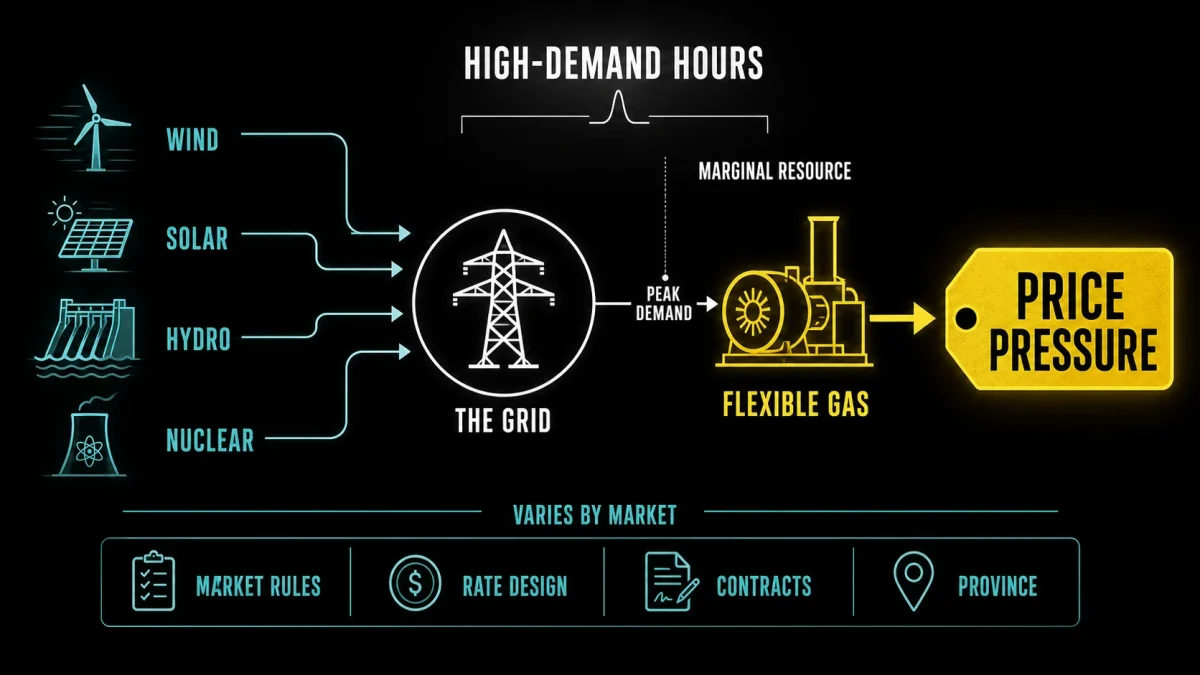
Solar Is Strongest When It Matches Your Bill
The best solar design is not the biggest one. It is the system that fits your roof, usage, utility rules, and budget. For a homeowner in Alberta or Ontario, the value may come from avoiding higher energy charges and future rate pressure. In British Columbia or Quebec, where power is often cheaper, the payback may be slower unless you have high usage, an EV, electric heating, or a strong local rebate. In provinces with time-of-use pricing, a battery can add value by storing daytime solar and using it during expensive evening hours. Net metering rules also matter. In Ontario, the Ontario Energy Board says net metering lets customers generate renewable electricity for their own use and send excess power to the grid for credits that offset future electricity consumption, according to the Ontario Energy Board net metering guide. Tip for quote comparison: ask every installer for annual production in kWh, total installed cost, cost per watt, equipment brands, inverter type, warranty terms, net metering assumptions, and the payback calculation. If one quote looks much better than the rest, check the assumptions before you celebrate. The old federal Canada Greener Homes Grant and Loan are also not open like they used to be. Natural Resources Canada says December 31, 2025 was the last day to submit grant documents and October 1, 2025 was the last day to apply for the loan, while existing eligible files continue to be processed. The same page still lists solar PV as an eligible retrofit for those files, at $1,000 per kW up to $5,000, under the Canada Greener Homes eligible retrofits page. That makes provincial programs and local utility rules more important than ever.Should You Add A Battery?
A battery is not required for every solar project, but it is worth pricing if your province uses time-of-use rates, if outages are common, or if export credits are weaker than the retail price you pay for electricity. Without a battery, your solar system produces the most in the middle of the day. That is useful, but many households use more electricity in the morning and evening. A battery lets you keep more of your own power and use it later. The tradeoff is cost. Batteries can improve control and resilience, but they may stretch the payback period if your utility already gives strong net metering credits. Run the numbers both ways. If upfront cost is the sticking point, ask about available financing options, including 0% financing with $0 down payment where approved and subject to program terms. A good installer should show you the cash price, financed cost, monthly payment, and total cost over the full term.The Practical Bottom Line
Canada’s electricity strategy is trying to solve a real problem: demand is growing fast, and the grid has to stay reliable. Natural gas is part of that plan because it can fill gaps that renewables and storage cannot always cover yet. The PMO’s affordability claim should be taken seriously, but homeowners should still look at how those savings show up in their province and on their actual bill. For homeowners, the financial lesson is not political. It is practical. Hydro bills could still face pressure from infrastructure spending, rate design, and fuel exposure in provinces where gas affects market prices, even as more clean energy gets built. Solar gives you a way to reduce that exposure. It will not remove every charge from your bill, and it is not perfect for every roof. But for homes with good sun, high electricity use, rising rates, or plans for an EV or heat pump, solar can reduce exposure to future electricity-rate increases for the portion of power your system produces. Before choosing an installer, compare a few detailed quotes. SolarEnergies.ca can connect you with certified installers who have completed 14,000+ installs across Canada, so you can compare real options instead of guessing.FAQ
Will Canada’s new electricity strategy make my hydro bill go up?
Not automatically. The federal government says the strategy could lower total energy costs for 7 in 10 households by 2050. The risk is that a larger grid with natural gas still playing a reliability role could leave some customers exposed to gas costs, infrastructure spending, and time-of-use pressure, depending on province and rate design.Why does natural gas matter if my province mostly uses hydro or nuclear?
Because in some wholesale markets, the price can be influenced by the last generator needed during a high-demand hour. If that generator is a gas plant, the cost of gas can influence the market price even when most electricity comes from lower-fuel-cost sources. The strength of that link varies by province, regulation, contracts, and market design.Is solar still worth it without the Canada Greener Homes Grant?
It can be, but the math is more property-specific now. The old federal grant and loan application windows are closed for new applicants, so your payback depends more on provincial rebates, utility rules, system cost, roof quality, and your current electricity bill.Should I wait for better solar incentives?
Waiting can work if a strong program is likely in your province, but it can also cost you if electricity rates rise or installer demand increases. A safer move is to get current quotes, check available incentives, and decide with real numbers rather than hope. For more on timing, see our guide on whether to install solar panels now or wait.Do I need a battery with solar panels?
No. Many grid-tied solar systems work well without batteries. A battery becomes more interesting if you have time-of-use rates, weak export credits, frequent outages, or you want more control over when you use your own solar power. For a deeper look at backup planning, read our guide on solar + battery backup sizing.What is the first step if I want to know whether solar makes sense?
Start with your address, roof, and electricity bill. Use the SolarEnergies.ca calculator for a first estimate, then compare several installer quotes that show system size, annual production, equipment, warranties, financing, and payback side by side.
Vitaliy Lano is a solar energy enthusiast with over 12 years of experience in home improvement and sustainability. His passion lies in making green living accessible and practical for everyone, breaking down complex solar options into clear, relatable insights. Whether it’s reviewing solar companies, exploring incentives, or guiding homeowners through the transition to renewable energy, Vitaliy combines expertise with a no-nonsense approach. His goal? To connect people with the right solar solutions—free from fluff and full of value. If there’s a way to make solar work better for your home and wallet, Vitaliy is the guy to show you how.