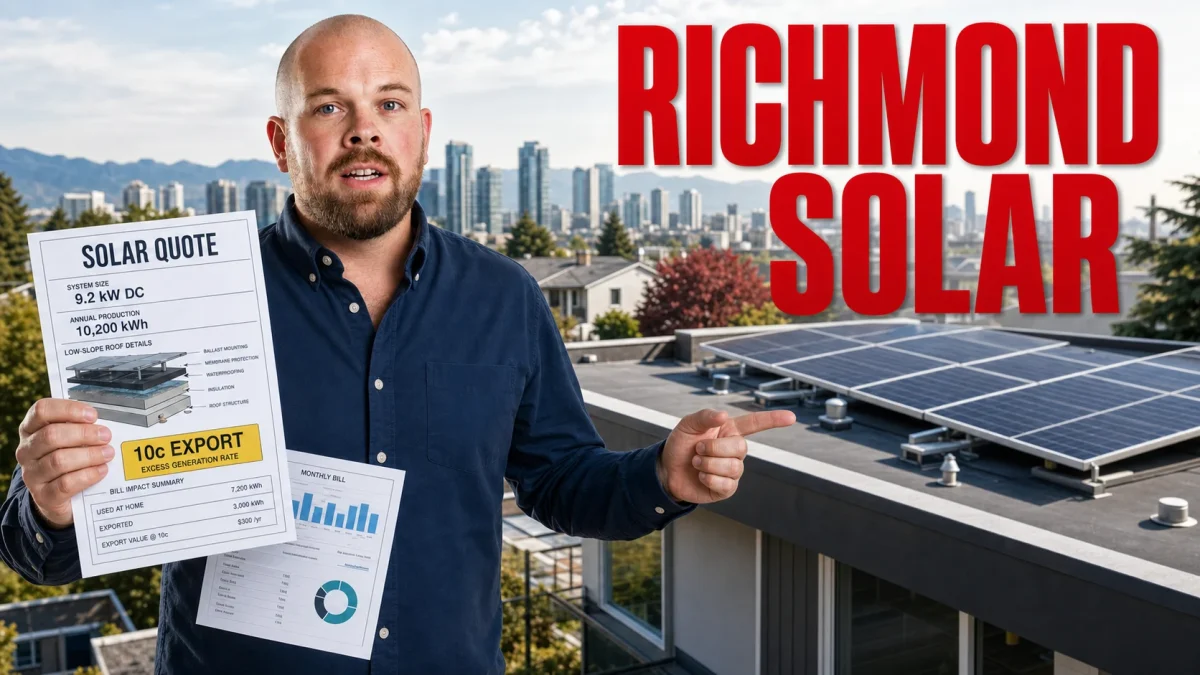

Calgary Balcony Solar Campaign Pushes Canada to Create Plug-In Solar Rules
June 5, 2026
Solar in B.C.: What Keremeos Teaches Homeowners About Solar Payback
June 9, 2026Last Updated on June 5, 2026 by Vitaliy
If you are thinking about solar panels in B.C., the latest BC Hydro news should change how you look at the decision. Solar still makes sense for many homes and businesses, but the best question is no longer just, “How many kilowatt-hours can I produce each year?” The better question is, “How much of my own power can I use when the grid is under pressure?”
If homeowners ignore that shift, they may buy a system sized only for annual production and miss the growing value of batteries, peak demand control, and self-consumption.
Key Takeaways
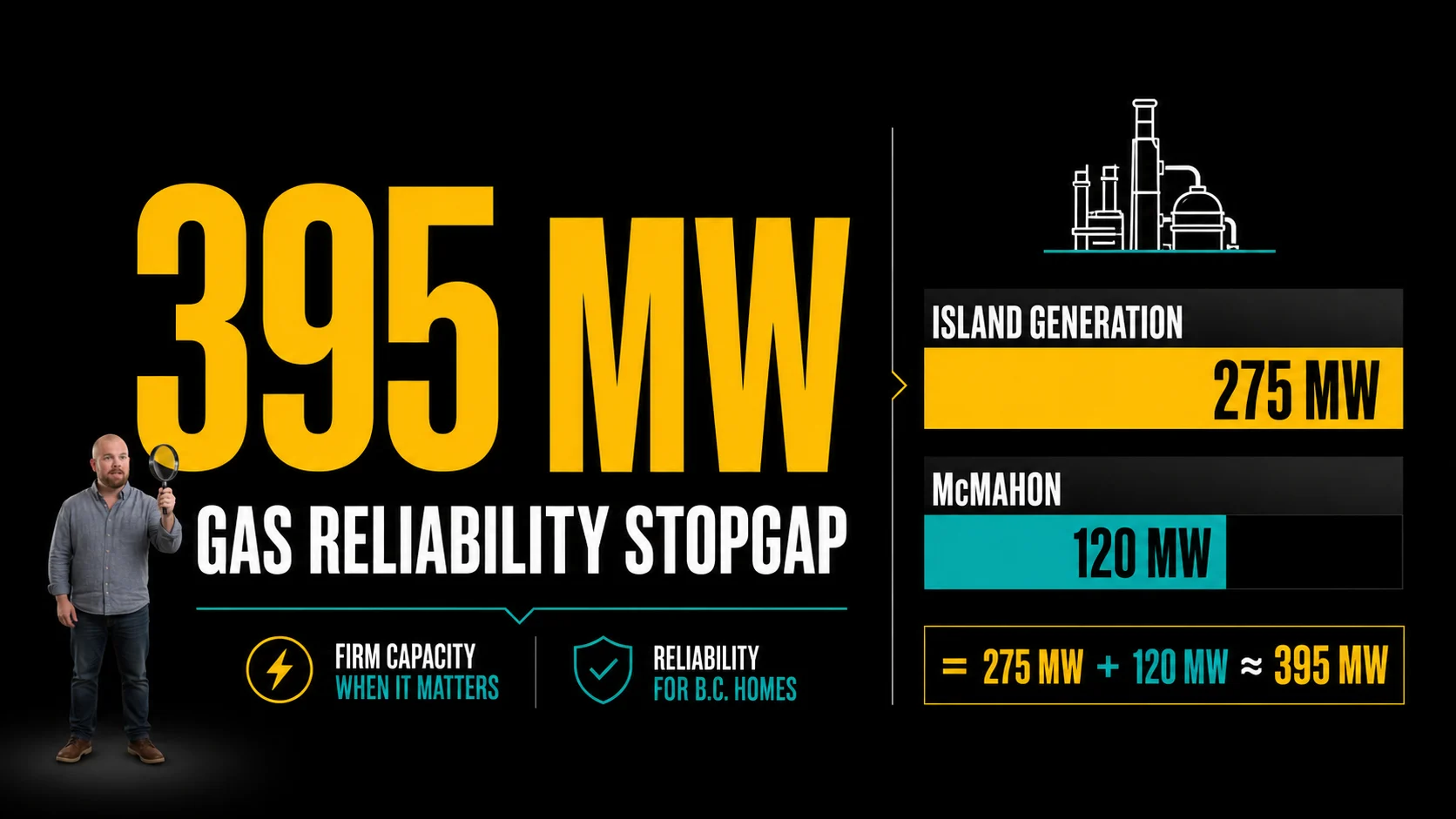
- BC Hydro is reportedly looking to keep about 395 MW of gas-fired capacity available from Island Generation and McMahon as a reliability stopgap.
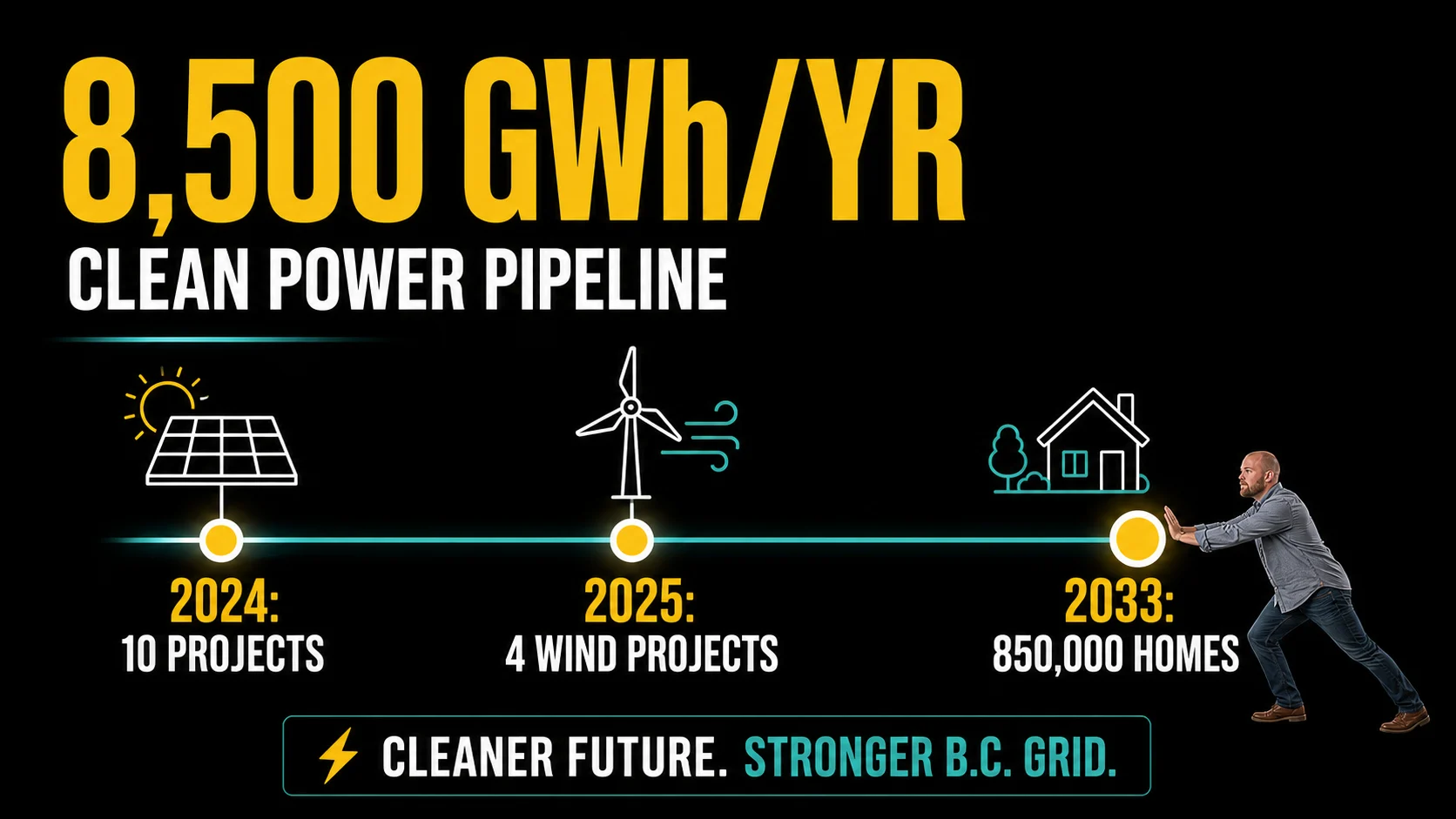
- B.C. is still adding major clean power: 10 wind and solar projects from the 2024 call and 4 wind projects from the 2025 call.
- The issue is timing and peak capacity, not proof that renewables do not work.
- Solar helps with annual electricity supply, but batteries and flexible demand help with cold winter evening peaks.
- B.C. solar buyers should pay close attention to the July 1, 2026 self-generation rate change, battery rebates, and Peak Saver rules.
What Actually Happened With B.C. Hydro And Gas Power?
BC Hydro is reportedly moving to keep two gas-fired facilities available: the 275 MW Island Generation plant in Campbell River and the 120 MW McMahon cogeneration facility near Taylor. Energy Futures Institute says BC Hydro disclosed the move in a May 28, 2026 BCUC filing, framing the plants as a way to help fill a near-term electricity gap.
That creates tension with B.C.’s clean electricity goals. The BCUC’s 2021 Integrated Resource Plan decision noted that McMahon, Island Generation, and Houweling Nurseries cogeneration were not clean or renewable under the Clean Energy Act, and that BC Hydro’s 2021 IRP did not include renewing those EPAs.
So yes, this is a real policy shift.
But it is not a simple story of “gas beats renewables.” B.C. is still building clean electricity quickly. The problem is that electricity demand is rising faster than the clean grid buildout can comfortably absorb in the near term.
The Missing Piece: Energy Is Not The Same As Capacity
This is the part that matters most for solar buyers.
Energy is how much electricity a system produces over time. It is measured in kilowatt-hours or gigawatt-hours.
Capacity is how much power the grid can deliver at a specific moment. It is measured in kilowatts or megawatts.
A solar array can produce a lot of clean energy over the year. But B.C.’s toughest grid moments often happen on cold winter evenings, when people are heating homes, cooking dinner, charging vehicles, and using lights. Solar output is low or gone at that time.
That does not make solar useless. It means solar works best as part of a bigger system: solar panels, batteries, hydro reservoirs, transmission upgrades, demand response, and smarter electricity use.
B.C.’s clean energy strategy says hydro reservoirs can act like batteries by backing up wind and solar when the wind is not blowing or the sun is not producing. It also says demand is rising after two decades of relative stability, with electricity demand expected to grow by 15% or more by 2030.
B.C. Is Still Adding Wind And Solar
The gas story can sound like B.C. is backing away from clean power. The official procurement numbers show something more specific.
BC Hydro’s 2024 call for power resulted in 10 electricity purchase agreements: nine wind projects and one solar project. The BCUC decision on the 2024 Call for Power EPAs says those projects represent about 4,830 GWh per year, with an average weighted levelized bid price of $74 per MWh.
Then, in 2026, B.C. announced four more renewable projects from the 2025 call for power. These are wind projects expected to provide about 3,500 GWh per year, enough to power about 350,000 homes. The province says the 2024 and 2025 calls together will add about 8,500 GWh of clean and renewable electricity by 2033, enough for about 850,000 homes. Source: B.C. government 2025 call for power announcement.
That is a lot of clean electricity.
The catch is timing. The 2025 projects are expected to start coming online as early as 2032, with all projects in service by October 2033. If BC Hydro has a capacity problem before then, it still needs something firm to keep the system reliable.
Why Site C Does Not Solve Everything
Site C is a major addition. B.C.’s clean energy strategy says it will add about 5,100 GWh per year, increasing BC Hydro’s electricity supply by about 8%.
That is valuable. But B.C. demand is also growing from housing, population growth, industrial development, electrification, EV charging, and businesses switching away from fossil fuels.
BC Hydro’s 2025 Integrated Resource Plan says it is preparing for multiple future load scenarios and includes conservation, customer solar, renewable procurement, transmission upgrades, hydro facility upgrades, batteries, and new firm power sources. It specifically mentions the need for power during peak times, such as cold winter evenings.
That is the signal homeowners should pay attention to. BC Hydro is not just asking for more electricity. It is asking for more controllable electricity.
Where Home Solar Fits In
Home solar can still help B.C. It reduces the amount of electricity a home needs from the grid during daylight hours. In summer, it can produce strong output. Over the year, it can lower bills and reduce pressure on the system.
BC Hydro’s 2025 Integrated Resource Plan says its multi-year solar and battery storage rebate program is expected to provide 800 GWh per year by 2034, enough to power 80,000 households each year.
That is not a side note. BC Hydro is counting customer solar and batteries as part of the long-term plan.
But the best system design may change. Under older net metering, many homeowners focused on annual offset. Produce extra in sunny months, receive credits, use those credits later.
B.C.’s new self-generation framework changes that math.
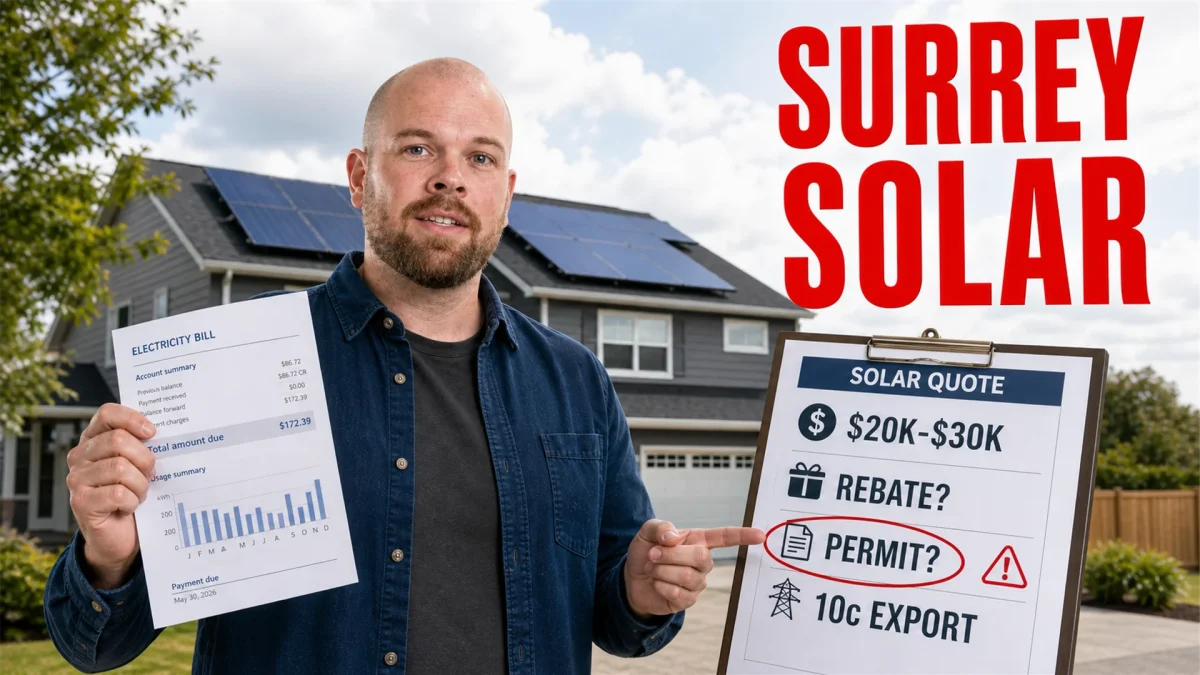
The BCUC approved replacing BC Hydro’s current Net Metering Service Rate with a Self-Generation Service Rate that compensates surplus electricity at 10 cents per kWh. The new rate takes effect July 1, 2026 for new customers and existing customers who received BC Hydro’s solar rebate. Source: BCUC net metering decision summary.
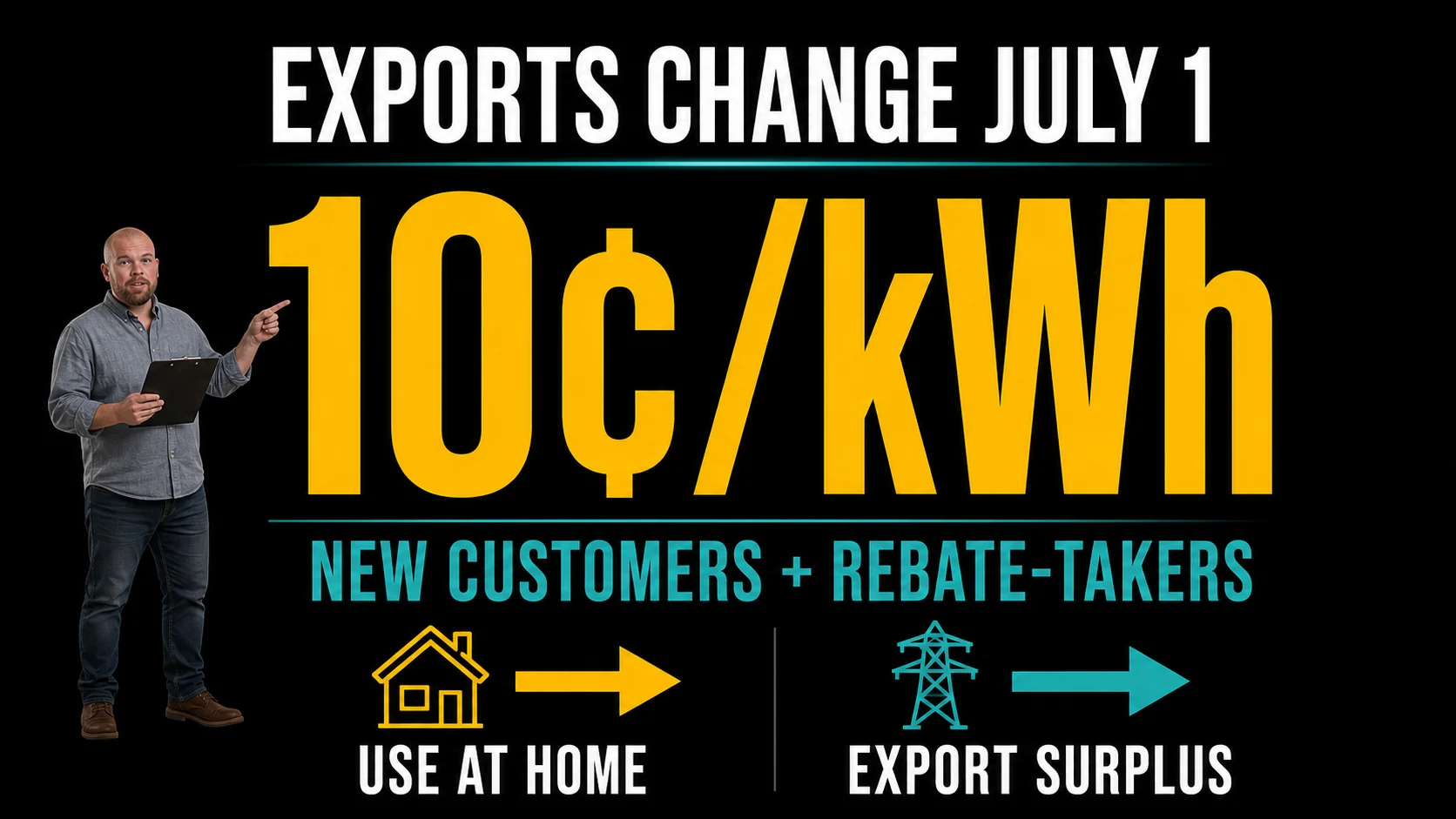
That makes self-consumption more important. In plain language: using your solar power at home can be more valuable than exporting too much of it.
Batteries Are Becoming More Than Backup Power
A home battery used to be mostly about outages. That still matters, especially in areas with storm risk or rural service interruptions. But batteries are now becoming grid tools.
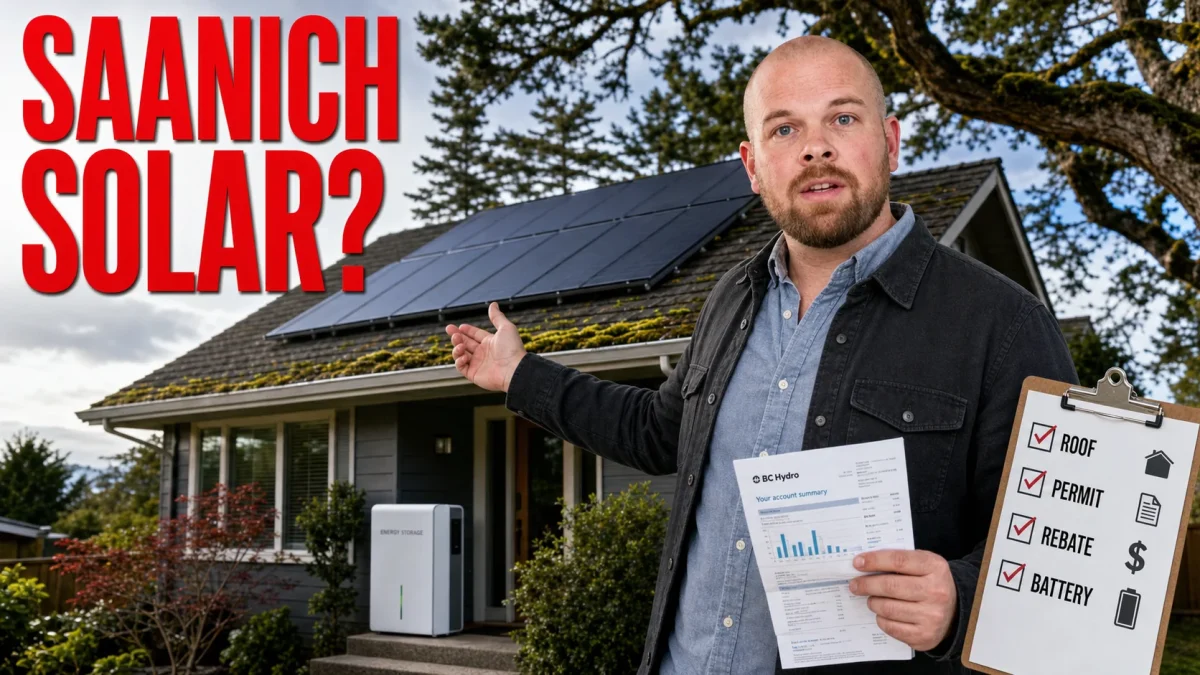
BC Hydro’s solar and battery rebate page says eligible solar PV systems can receive up to $5,000, based on $1,000 per kW of installed generator capacity and capped at 50% of installed product cost. Battery storage systems can also receive up to $5,000, but the larger battery rebate depends on Peak Saver enrollment.
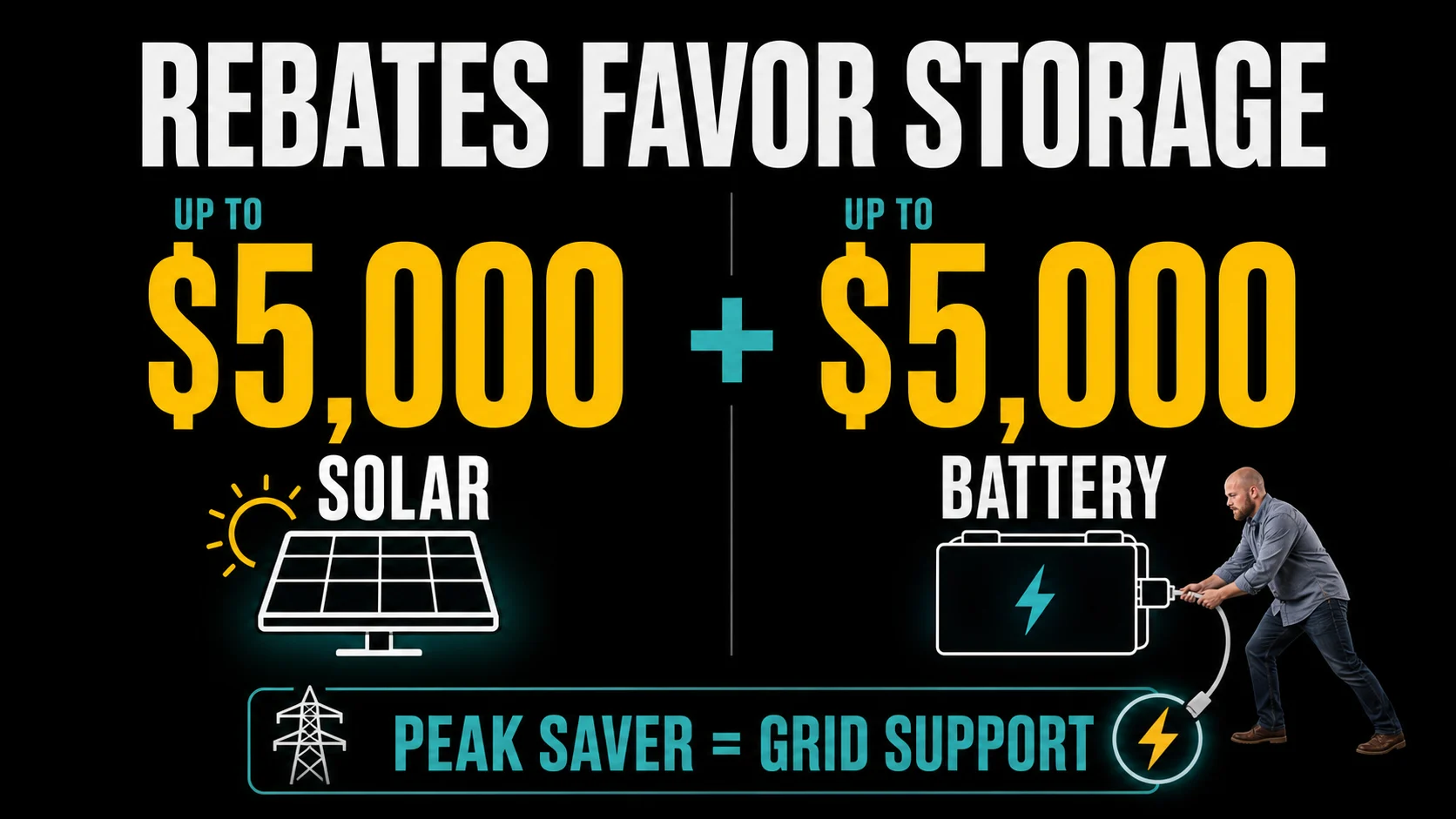
That detail is important. BC Hydro is paying more for batteries that can support the grid.
Peak Saver allows BC Hydro to remotely adjust enrolled smart devices during high-demand periods. Events can last up to four hours, and customers keep override control. Eligible device types include smart thermostats, EV chargers, batteries, load controllers, and water heaters. Batteries can receive a $500 enrollment bonus and a $250 seasonal reward.
Tip for B.C. homeowners: if you are pricing solar, ask installers for two versions of the quote: solar-only and solar-plus-battery. Then compare how each option performs under the July 1, 2026 export rate and Peak Saver rules.
What California And Other Markets Show
B.C. is not the first place to run into this issue.
California has built a huge amount of solar, but its hardest hours often come in the evening after solar drops. Battery storage helps by charging when solar is abundant and discharging when the grid needs power. CAISO says storage helps make solar more effective on the grid by supporting reliability during challenging times of day.
The International Energy Agency says battery storage is playing a larger role in power systems, especially where wind and solar shares are rising. It also says battery costs fell more than 90% between 2010 and 2025.
B.C. is different because it has big hydro reservoirs. That is an advantage. But the lesson is similar: clean grids need flexibility.
What This Means For Solar Payback In B.C.
Solar payback in B.C. should now be judged in three layers.
1. Annual bill savings
This is the traditional payback calculation. How much electricity will the system produce? How much will you use at home? How much will be exported?
The new 10-cent export rate makes accurate modelling more important. A system that exports too much may not pay back the same way as one designed around daytime home use, EV charging, heat pump schedules, or battery charging.
2. Peak value
A solar-only system may not help much during winter evening peaks. A solar-plus-battery system can, depending on battery size, controls, and how it is operated.
That matters because BC Hydro is already rewarding certain flexible devices through Peak Saver.
3. Future rate exposure
If B.C. has to build more generation, transmission, storage, and backup capacity, costs can show up in rates over time. Solar will not remove every bill charge, but using more of your own electricity can reduce exposure to future energy cost increases.
If you want a quick first check, use the SolarEnergies.ca online solar calculator to see whether solar makes sense for your property before you start collecting quotes.
Should You Still Install Solar In B.C.?
Yes, but do not buy the wrong system for yesterday’s rules.
A good B.C. solar quote should now answer these questions:
- How much of the solar power will I use directly?
- How much will be exported at 10 cents per kWh?
- Does a battery improve the economics or mainly add backup value?
- Can the battery qualify for the larger Peak Saver-linked rebate?
- How does EV charging or a heat pump change the system size?
- What happens if electricity rates rise?
- Is the installer using realistic production estimates for my roof?
Tip for quote comparisons: do not compare only the final price. Compare panel model, inverter type, battery option, warranty, production estimate, export assumptions, financing terms, and installer experience.
For more local planning context, compare this article with our solar panels in B.C. guide, our B.C. solar and battery rebate guide, and our breakdown of BC Hydro’s July 1 net metering deadline.
SolarEnergies.ca can connect you with certified installers who have completed 14,000+ installs across Canada, so you can compare real options instead of guessing. If upfront cost is the sticking point, ask about available financing options, including 0% financing with $0 down payment where approved.
The Bottom Line
B.C.’s gas power delay is not proof that solar does not work. It is proof that the next stage of the clean grid is more demanding than the first one.
The province needs clean energy, but it also needs firm capacity, flexible demand, transmission, storage, and better timing. For homeowners, that means solar is still worth considering, but batteries and smart energy use deserve a serious look.
A solar panel system that produces clean electricity is useful. A system that also helps you use more of your own power during the hours that matter most may be even more useful.
FAQ
Why does B.C. need gas power if it already has so much hydro?
B.C. has a very clean grid, but clean does not automatically mean unlimited. Demand is rising from population growth, housing, industry, electrification, and EV charging. B.C.’s clean energy strategy says demand is expected to grow by 15% or more by 2030.
Hydro is flexible, but drought, transmission limits, regional demand, and winter peaks can still create reliability pressure. Gas plants can provide firm capacity when the grid needs power at a specific moment.
Does this mean solar panels are a bad investment in B.C.?
No. It means solar buyers need better modelling. Solar can still reduce bills and help the grid, especially when the power is used on-site.
The July 1, 2026 self-generation rate change makes self-consumption more important. If your system exports a large share of production at 10 cents per kWh, the payback may look different than older net metering examples.
Are batteries worth it for B.C. homeowners?
They can be, but the answer depends on your home, usage, outage risk, rebate eligibility, and whether the battery can enroll in Peak Saver.
A battery may improve self-consumption, provide backup power, and qualify for a larger rebate if it meets BC Hydro’s requirements. Ask installers to model solar-only and solar-plus-battery options side by side.
What is Peak Saver?
Peak Saver is a BC Hydro program that lets eligible smart devices reduce or shift electricity use during high-demand periods. Devices can include smart thermostats, EV chargers, batteries, load controllers, and water heaters.
BC Hydro says events can last up to four hours, and customers can override them. The program matters because it shows BC Hydro values flexible demand, not just extra electricity.
Should I rush before the July 1, 2026 rate change?
Do not rush into a bad contract. The rate change is important, but a poor system design or weak installer can cost more than the benefit of moving quickly.
Get detailed quotes, confirm interconnection timelines, ask how the rebate affects your rate treatment, and make sure the installer explains the new self-generation rules clearly.