BC Hydro’s $1B Power Smart 2.0 Plan: Good News for Solar, or a Reason to Wait?
May 21, 2026
Calgary Balcony Solar Campaign Pushes Canada to Create Plug-In Solar Rules
June 5, 2026Last Updated on May 29, 2026 by Vitaliy
If you are comparing solar panels, green electricity plans, or a business claim that says “100% renewable power,” you need to understand renewable energy certificates before you trust the label. A REC can be a legitimate clean electricity tracking tool. The problem starts when it is sold like proof that solar power is physically flowing into your building.
The mistake is assuming every clean electricity claim means the same thing. That can lead homeowners and business owners to overpay for a feel-good promise, miss a better solar investment, or misunderstand what they can honestly claim about their own power use.
Key Takeaways
- A renewable energy certificate, or REC, represents the environmental claim tied to 1 megawatt-hour (MWh) of renewable electricity placed on the grid.
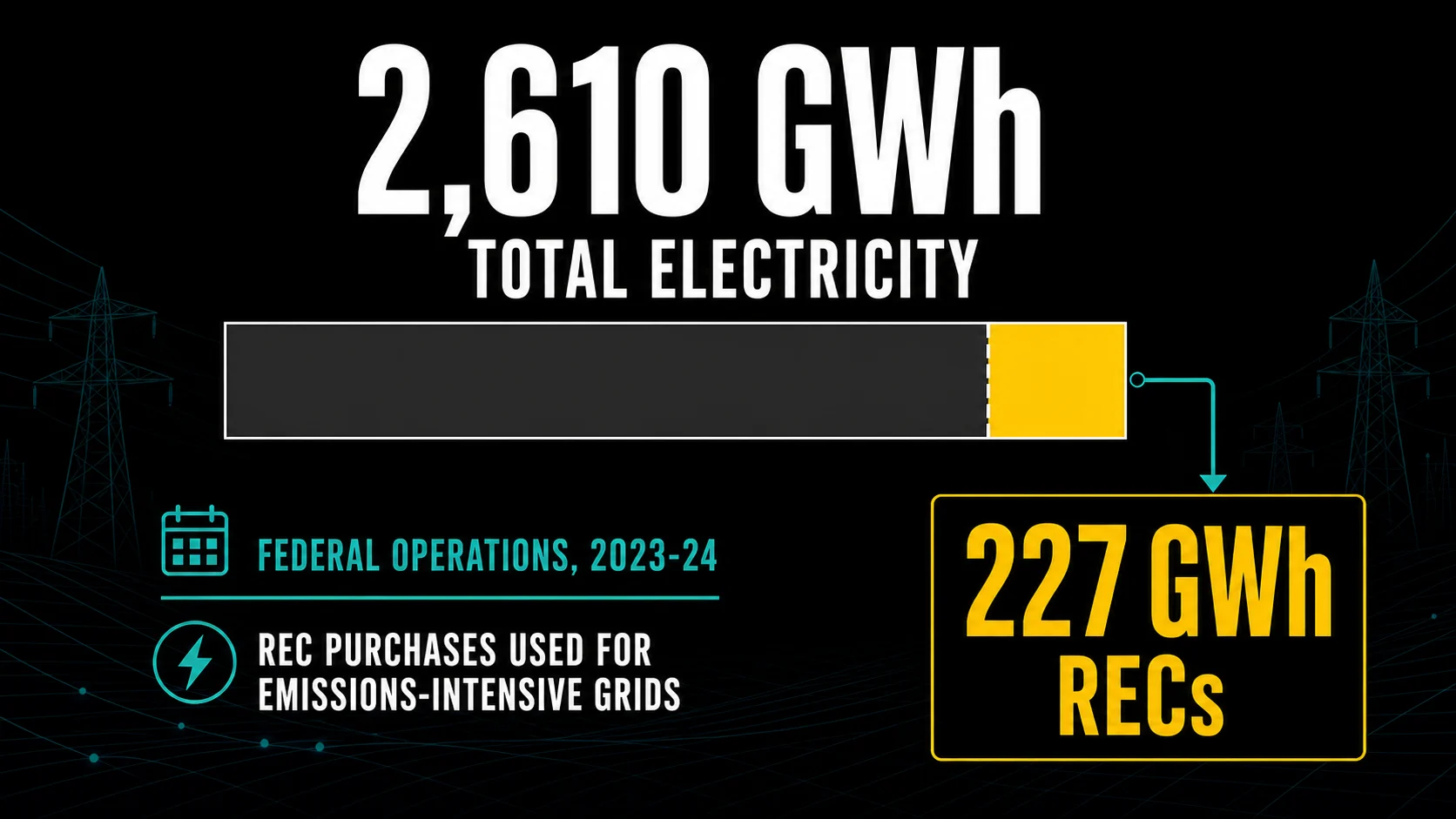
- The Government of Canada says it consumed 2,610 gigawatt-hours (GWh) of electricity in 2023-24 and purchased 227 GWh of RECs to compensate for electricity used in emissions-intensive grids, according to its clean electricity procurement progress report.
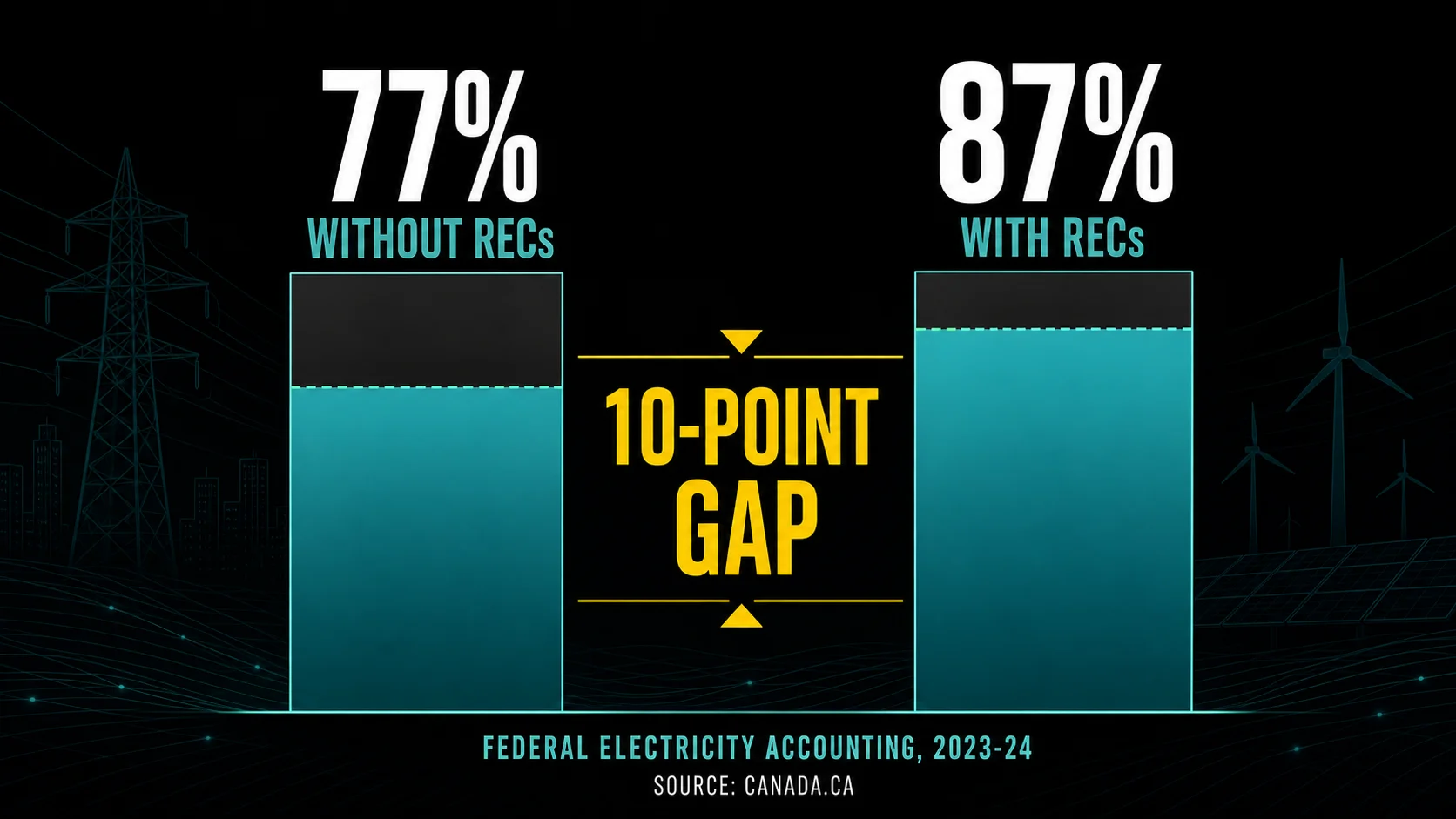
- With REC purchases included, 87% of federal electricity consumption counted as non-emitting. Without RECs, the number was 77%.
- RECs do not mean your specific building is physically powered by solar. They mean the renewable attribute has been bought and retired so someone can claim that amount of clean electricity.
- For homeowners with a good roof and fair utility rules, rooftop solar is usually easier to understand than certificate accounting. It reduces your own grid purchases and makes the clean electricity story easier to explain.
Why This Federal Update Matters
On May 27, 2026, the Treasury Board of Canada Secretariat updated the Government of Canada’s progress on greening procurement. The clean electricity section matters because it shows how Ottawa is using real clean power, renewable energy certificates, and procurement strategy to reduce the emissions tied to federal operations.
The federal government says it bought 227 GWh of RECs in 2023-24 to compensate for emissions from electricity consumed in provinces with emissions-intensive grids. With those purchases included, 87% of federal electricity consumption was counted as non-emitting. Without the impact of RECs, the number was 77%, according to the same Canada.ca report.
That 10-point gap explains why RECs matter. They can move the accounting. The harder question is whether they also help move the grid.
What Is a Renewable Energy Certificate?
A renewable energy certificate is a tracking instrument. Canada.ca explains that for every MWh of electricity a renewable generator adds to an electrical grid, the generator may issue one unique REC. The generator can sell that REC on the open market, bundle it with the electricity, or hold it. Once a buyer retires the REC, that buyer can claim the clean electricity attribute, and the REC cannot be sold again. The federal clean electricity initiative page explains this process.
Here is the simple version:
| Term | Plain-English meaning |
|---|---|
| 1 MWh | 1,000 kWh of electricity |
| REC | The clean electricity claim attached to 1 MWh of renewable power |
| Bundled REC | Electricity and the REC are sold together |
| Unbundled REC | The certificate is sold separately from the electricity |
| Retired REC | The REC has been claimed and cannot be reused |
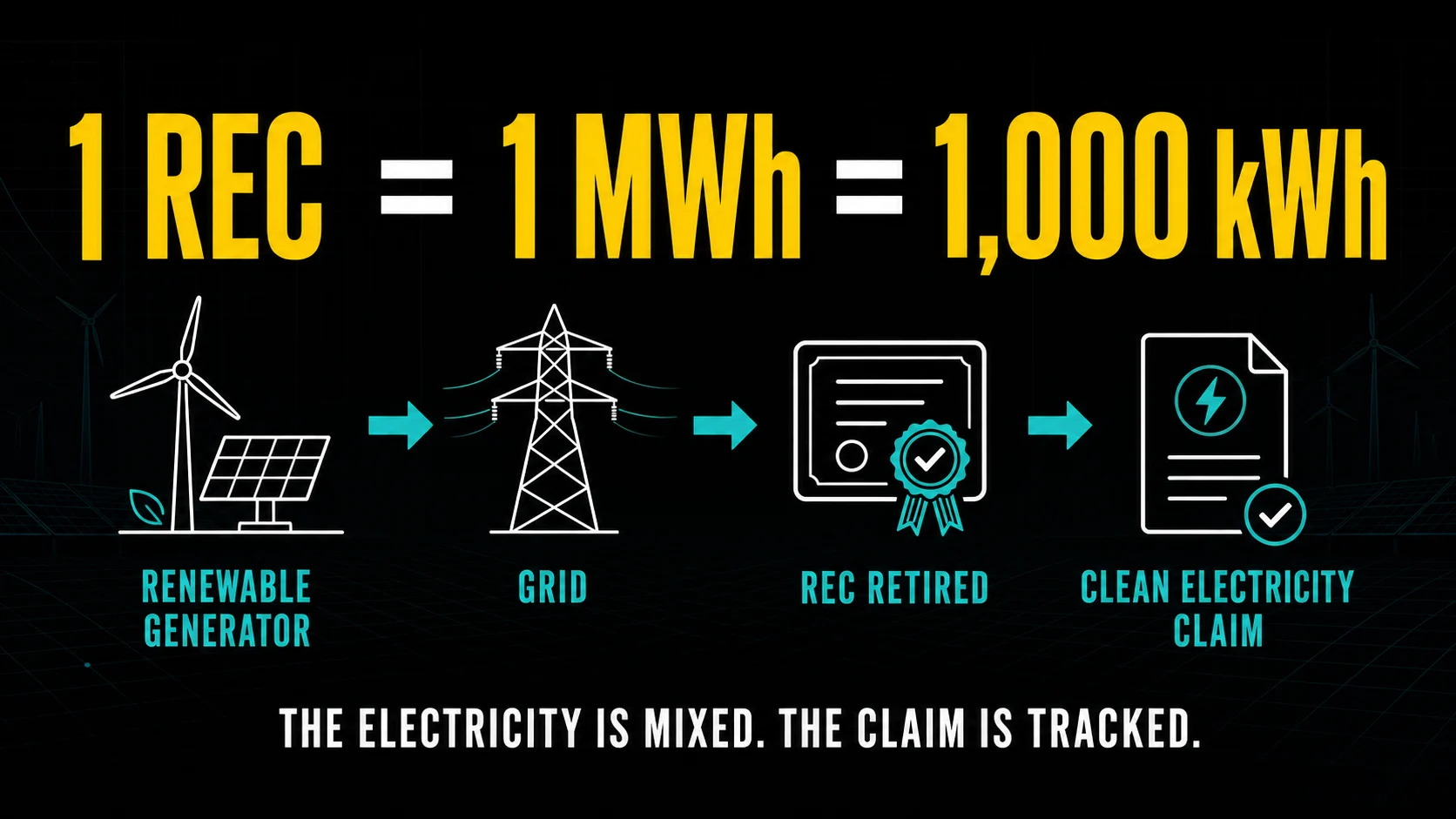
This is why RECs are not the same as rooftop solar. If you install solar panels on your roof, your system can reduce the electricity you buy from the grid. If you buy RECs, you are buying the right to claim renewable attributes from power generated somewhere else.
The homeowner question is simple: if your solar system creates an environmental attribute, do you keep it, or does someone else claim it?
Tip for homeowners: if a salesperson or electricity marketer says you are getting “solar power,” ask whether you are buying on-site solar generation, a green electricity product, or RECs.
Are RECs Real Clean Power?
Yes, but only in a specific accounting sense.
A REC is real if it is tied to renewable electricity generation, tracked properly, and retired once claimed. A REC certifies ownership of the renewable electricity attributes associated with 1 MWh of renewable electricity generation, including the related emissions-reduction claim, according to the clean electricity procurement progress report.
That does not mean a REC changes the physical electricity flowing into your panel. The grid mixes electricity from many sources. Once power enters the grid, you cannot separate one unit of solar power from hydro, gas, wind, nuclear, or coal power.
What you can separate is the claim.
If a company buys RECs and retires them correctly, it may be able to claim renewable electricity use for the matched amount. RECs can help create revenue for renewable generators, but the strength of the climate claim depends on the REC source, age, location, tracking, retirement, and whether it supports new clean electricity.
Canada’s clean electricity strategy separates physical electricity, renewable electricity attributes, and carbon offsets. RECs are used for electricity claims measured in MWh, while carbon offsets are measured in tonnes of CO2e reduced or removed. That distinction matters because a “100% renewable electricity” claim is not the same as a “net-zero emissions” claim.
| Claim | What it really means |
|---|---|
| “We use solar power” | Best if solar is generated on site or purchased through a clear clean power contract |
| “We bought RECs” | The renewable attribute was purchased and should be retired |
| “100% renewable electricity” | Ask whether it is on-site generation, bundled clean power, or unbundled RECs |
| “Net-zero” | Broader claim; may involve emissions reductions and offsets |
The Question People Ask Online
Real homeowners are not confused because they are careless. They are confused because the market is confusing.
In a recent r/solar discussion about SRECs and net metering, homeowners asked whether selling certificates affects bill credits, who owns the renewable claim, and whether the payout is worth the contract terms. Commenters explained that selling SRECs can be separate from net metering, but the seller may give up the right to claim the renewable attribute for themselves (Reddit r/solar discussion).
Another Reddit thread about green certificates shows the trust problem. Some users see low-cost certificates as weak or even greenwashing if they do not lead to new renewable energy being built (Reddit r/climatechange discussion). Reddit is not a policy source, but it is useful for understanding the questions normal people ask after they hear the sales pitch.
The key word is additionality. A REC has a stronger story when the purchase helps support new renewable power that may not have happened otherwise. It has a weaker story when the certificate is generic, old, or missing clear project details.
What Ottawa Is Actually Buying
Ottawa is not relying on one tool.
Public Services and Procurement Canada says its goal is to use 100% clean electricity in federal buildings and support new clean electricity infrastructure. The clean electricity initiative includes Alberta, Saskatchewan, New Brunswick, Nova Scotia, and a national REC strategy.
A few details matter:
- In Alberta, Canada awarded a 23-year contract to Capital Power for clean renewable electricity. During construction, RECs from Canada’s open electricity market are used, and later federal operations attribute electricity consumption to the new facility through electricity and associated RECs.
- In Saskatchewan, federal operations are tied to new local wind and solar projects through SaskPower.
- In Nova Scotia, the Green Choice Program was created so large customers, including the federal government, can buy clean electricity from new renewable projects.
- Nationally, PSPC is working to purchase the equivalent of 128,000 MWh of RECs where new clean renewable sources are not yet available.
There is also a specific solar example. In 2023, the federal government announced a $4-million contract with a joint venture between South Head Energy and Switch Power for 6,400 RECs annually from a new solar farm for 20 years. Canada.ca says the project supports Indigenous business capacity and new clean electricity infrastructure (PSPC solar REC announcement).
That is a stronger story than “we bought generic green claims.” It links the certificate purchase to a new Canadian solar project and a long-term procurement structure.
What This Means for Homeowners
For most homeowners, RECs are not the main reason to install solar panels now.
Your main financial value usually comes from using your own solar electricity, reducing grid purchases, and earning credits or compensation under your province’s net metering or self-generation rules. A REC is separate from that bill math unless your province or program has a specific certificate market.
If you install rooftop solar and keep the renewable attribute, you can honestly say your system is producing renewable electricity for your property. If you sell the REC or SREC, you may still get the bill savings, but someone else may own the environmental claim.
That does not make selling certificates wrong. It means you should know what you are selling.
Tip for solar buyers: ask your installer whether any REC, SREC, carbon credit, or environmental attribute from your system is included in the quote, assigned to a third party, or kept by you.
If you want a first estimate before getting into certificate details, use the SolarEnergies.ca solar panel calculator to see whether solar makes sense for your roof. Then compare a few detailed quotes. SolarEnergies.ca can connect you with certified installers who have completed 14,000+ installs across Canada, so you can compare equipment, warranties, production estimates, financing, and payback side by side.
What This Means for Small Businesses
Small businesses should treat RECs as a claim-management tool, not a complete climate strategy.
Before buying certificates or signing a green electricity plan, ask these questions:
| Question | Why it matters |
|---|---|
| Are the RECs retired in my business name? | Prevents double counting and proves the claim was used once. |
| Are the RECs Canadian or local? | Local procurement is easier to connect to your community and grid. |
| Are they from new projects? | Newer projects may have a stronger additionality story. |
| Are they bundled with electricity? | Bundled clean power can be stronger than separate certificates. |
| Can I see proof of retirement? | Marketing claims need documentation. |
For a business with a suitable roof, commercial solar can be easier for customers to understand. Panels on your building lower your grid purchases and create a visible investment. RECs can still help cover the part of your electricity you cannot generate yourself, but they should not replace efficiency, load management, and solar.
If upfront cost is the issue, ask installers about available solar financing options, including 0% financing with $0 down payment where approved and subject to program terms.
Are RECs Greenwashing?
They can be. They are not automatically greenwashing.
A REC is strongest when it is transparent, retired once, connected to new or local clean electricity, and explained honestly. It is weakest when a buyer uses cheap certificates to make a vague “powered by renewable energy” claim while doing little to reduce actual energy use or support new generation.
Here is the honest middle ground:
- A REC is better than an unsupported green claim.
- For consumer trust, a REC tied to a named new Canadian project is easier to defend than a vague certificate with no clear project details.
- On-site solar is more direct for a homeowner or business with a good roof.
- Efficiency still matters. Buying certificates while wasting electricity is a poor strategy.
- Claims should say what happened: “We purchased and retired RECs equal to our electricity use” is clearer than “we run on solar” if the power is not generated on site.
RECs are not fake, but they are easy to oversell. For government and large organizations, they can be part of a real procurement plan, especially when tied to long-term contracts and new Canadian projects. For homeowners, they are usually less important than system size, roof quality, utility rules, installed cost, warranty, and how much solar power the home will actually use.
Before you pay extra for a green electricity plan or sign away solar credits, slow down and ask who owns the claim. That one question can save you from a lot of confusion.
FAQ
What does one renewable energy certificate represent?
One REC represents the renewable attribute from 1 MWh of renewable electricity placed on the grid. In household terms, 1 MWh equals 1,000 kWh. Canada.ca explains that once a REC is retired, the buyer can claim that amount of clean electricity and the REC cannot be sold again.
Does buying RECs mean my home is physically powered by solar?
No. A REC does not change the physical electricity flowing into your home. It gives you the right to claim the renewable attribute from electricity generated somewhere on the grid. Rooftop solar is different because it directly produces electricity at your property.
Are RECs the same as carbon offsets?
No. A REC is tied to renewable electricity generation, usually measured as 1 MWh. A carbon offset is generally tied to 1 tonne of carbon dioxide equivalent reduced or removed. The Government of Canada’s Greening Government Strategy treats offsets separately from renewable electricity purchases.
Should homeowners care about RECs when installing solar panels?
Yes, but only after the main solar decision is clear. First look at roof fit, system size, installed cost, utility rules, payback, warranty, and installer quality. Then ask who owns any environmental attributes from the system.
Are government REC purchases good for solar in Canada?
They can be, especially when they support new Canadian projects. The federal government’s 2023 solar REC contract with South Head Energy and Switch Power is a stronger example because it is tied to a new solar farm, a 20-year REC supply, and Indigenous business participation.